The Quiet Appeal of a Single-Purpose Device
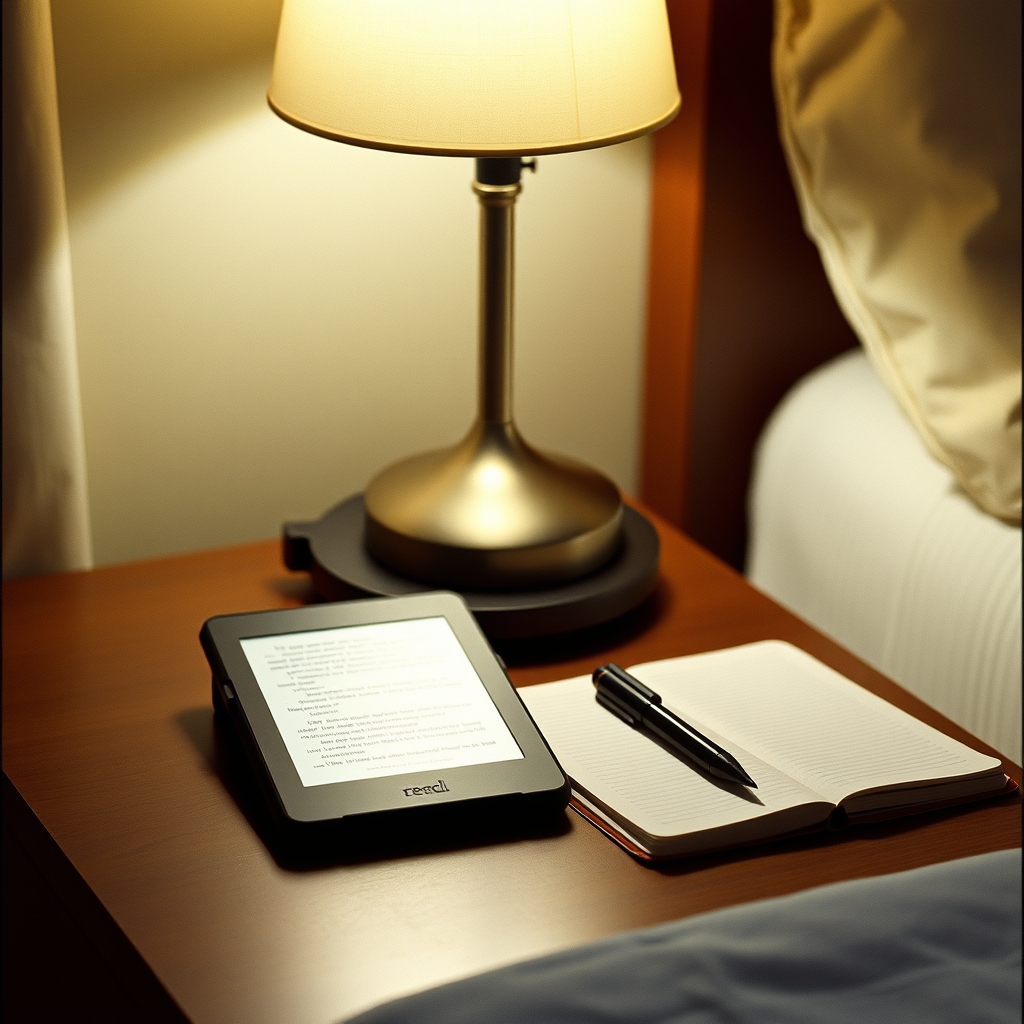
My phone can do almost anything, which is exactly the problem. When I sit down to read on it, I am three taps from a feed, a message, the whole demanding world. So I bought a device that does one thing — reads books — and nothing else, and rediscovered a kind of focus I'd forgotten was possible. There is a quiet case to be made for tools that refuse to multitask.
The all-in-one device is also an all-in-one distraction
A machine that does everything is a machine that can interrupt you with anything. Pick it up to do one thing and it offers you a hundred others, each a tap away, each competing for the attention you brought to the first. The convenience of the do-everything device comes bundled with a permanent invitation to do something else instead. Versatility, past a point, is just distraction with more options.
A single purpose protects the purpose
The device that does one thing can only do that thing. The reader only reads; the music player only plays; the camera only shoots. That limitation, which sounds like a downside, is the entire benefit — it removes the temptation to drift, and lets the activity have your whole attention. The constraint isn't a flaw to be engineered away. It's the feature.
Friction in the right place is useful
There's a deeper logic here. Making it slightly harder to switch tasks — by using a tool that simply can't — adds friction exactly where we need it, at the point where focus usually leaks away. We spend enormous effort removing friction from everything; sometimes the wiser move is to add a little back, deliberately, around the things that deserve our undivided attention.
You don't need a drawer full of single-purpose gadgets. But for the activities you most want to protect from distraction — reading, thinking, making — a tool that does only that can be worth more than the all-powerful device that does everything and lets you finish nothing. Sometimes the smartest technology is the one that knows how to do less.