The Quiet Medicine of Time in Nature
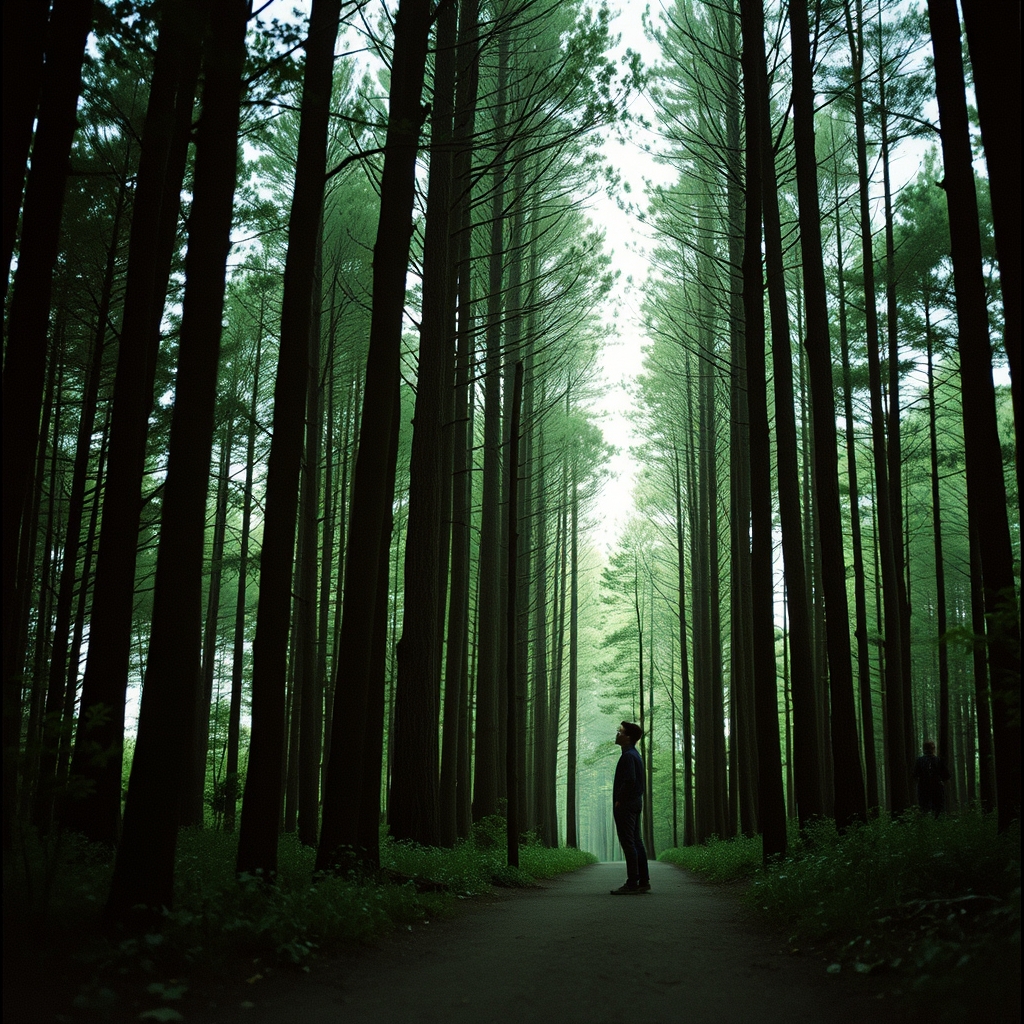
After a particularly frayed week, a friend more or less ordered me to go for a walk in the woods. I went grudgingly and came back changed — calmer, clearer, the static in my head somehow turned down. There was nothing mystical about it, and that's the point. Time among trees and open sky does something measurable to us, and we have largely engineered it out of our days.
The nervous system settles outdoors
Step into a green, quiet, natural place and the body tends to downshift — the tension easing, the racing thoughts slowing, a kind of settling that's hard to summon indoors. We evolved in landscapes, not in boxes lit by screens, and some part of us still recognizes the natural world as the place it's meant to be. The calm isn't imagined. It's the body recognizing home.
Attention gets a rest it can't get elsewhere
Modern life demands a constant, effortful kind of focus — the screen, the task, the steady stream of things requiring response. Nature asks for a different, gentler attention: the drifting notice of leaves, water, birdsong, things that hold the eye without demanding anything. That softer mode rests the part of the mind that the day exhausts, which is why an hour outdoors can leave you more refreshed than an hour of trying to relax indoors.
It doesn't take wilderness
The encouraging part is how little it takes. You don't need a mountain or a forest; a park, a tree-lined street, a garden, a patch of sky will do much of the work. A short, regular dose of the natural world — green things, fresh air, open space — is one of the cheapest and most reliable ways to steady a frayed mind. The medicine is everywhere, and it's free.
If your days have become a tunnel of rooms and screens, the prescription is almost embarrassingly simple: go outside, somewhere with a little nature in it, regularly and without your phone. The world we evolved in is still out there, still capable of settling us — waiting, as it always has, just past the door.