Why We Pay to Be Frightened
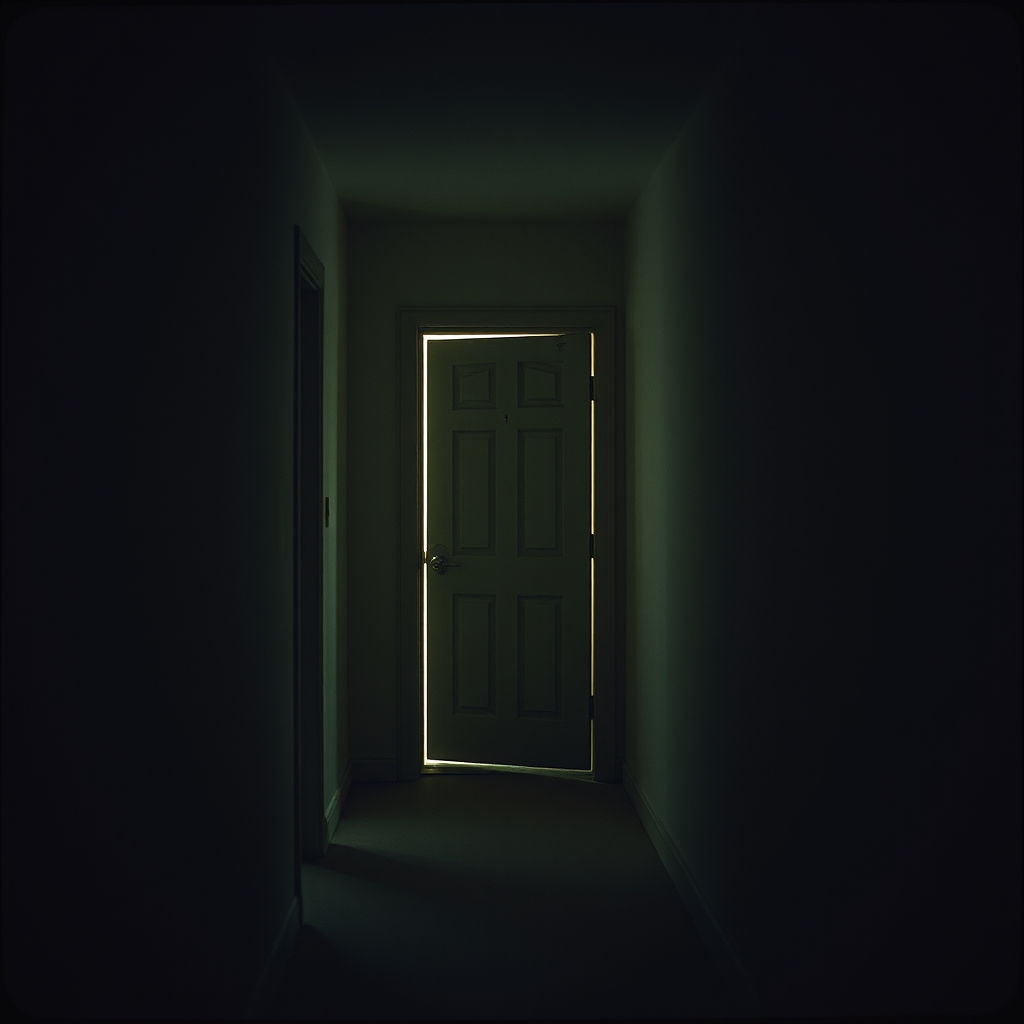
There is something absurd about it when you stop to think. We hand over money for the privilege of being scared — the horror film, the haunted house, the story that keeps us up at night. We arrange, deliberately, to feel an emotion we spend the rest of our lives avoiding. And we come out the other side oddly delighted.
Fear in a safe frame is a thrill, not a threat
The whole trick depends on safety. Real danger is terrible; simulated danger, with the certainty that you'll be fine, becomes exhilarating. The racing heart and the jolt of dread are the same bodily signals as genuine terror, but with the threat removed they flip into excitement. We are riding the machinery of fear with the brakes firmly on, and that combination is, strangely, a pleasure.
Controlled fear is a kind of practice
There may be something rehearsal-like in it, too. To face dread in a story — to feel the worst and survive it — is a way of testing our own nerve in conditions we control. We come out having looked at darkness and found we could take it. The scary tale lets us visit our fears on purpose, which is easier than meeting them by surprise in real life.
The relief afterward is half the point
And then it ends. The lights come up, the danger evaporates, and you are flooded with the particular sweetness of having been frightened and come through. That wave of relief, the laugh that follows a good scare, is its own reward — a reminder of safety made vivid by its brief, manufactured absence.
So if you love to be scared, you are not strange; you are doing something deeply human. We seek out controlled fear because it lets us feel intensely alive while remaining perfectly safe — and because nothing makes ordinary safety feel quite so good as having briefly, willingly, given it up.