Why the Cheapest Option Often Costs the Most
I once bought the cheapest umbrella in the shop, and then bought four more that same season as each one died in the wind. The expensive one I finally gave in and purchased is still with me years later. It was a small, soggy education in a lesson the price tag never tells you: cheap and inexpensive are not the same thing.
Price is what you pay once; cost is what you pay over time
The sticker shows you the first number. The true cost includes every replacement, every repair, every hour lost to a thing that failed when you needed it. A cheap item that breaks and gets rebought is often more expensive, in the end, than the sturdy one that lasted. We see the small number at the register and miss the larger one stretching out behind it.
Some things are worth buying once, well
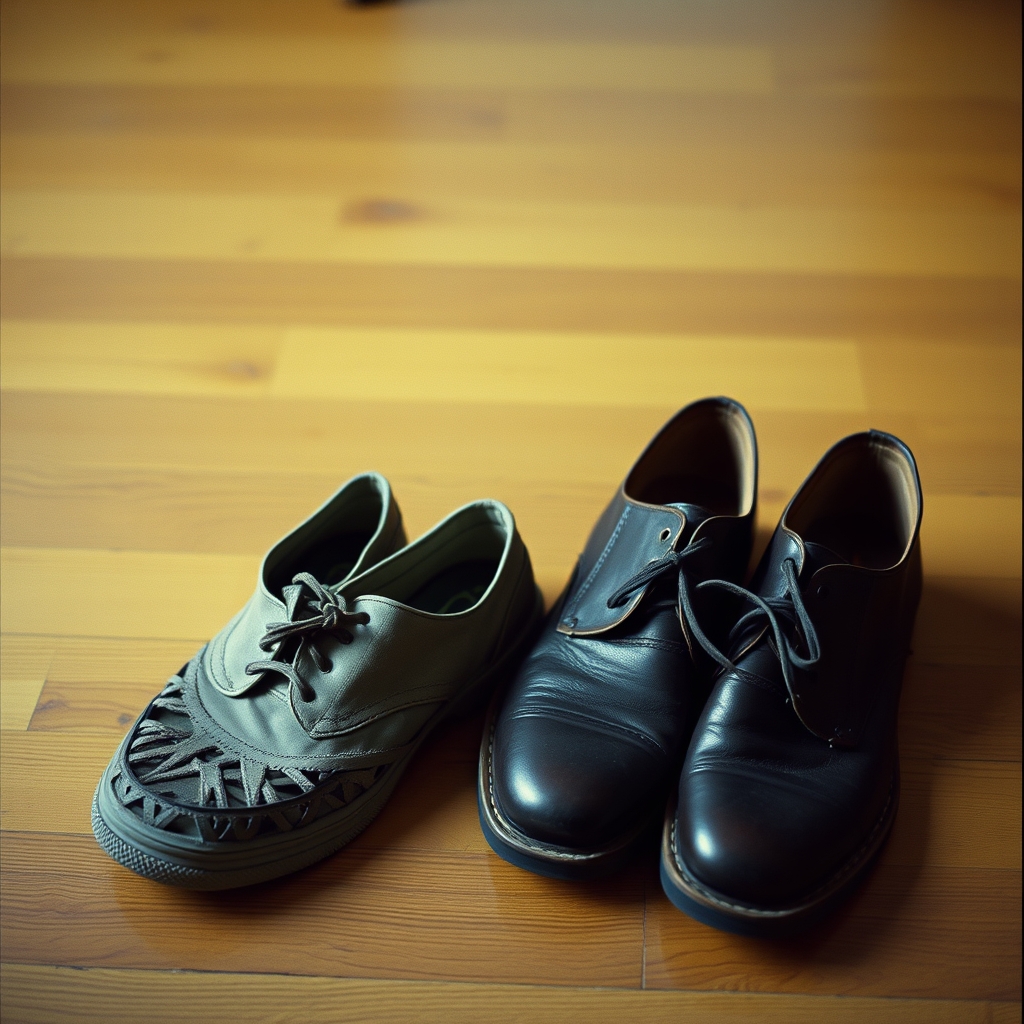
Not everything deserves this treatment — plenty of cheap goods are perfectly fine, and overpaying for status is its own trap. But for the things you use hard and often — the tools, the shoes, the bag you carry every day — quality tends to pay for itself slowly, in years of not having to think about them again. The good version disappears into reliability. The cheap one keeps demanding your attention and your money.
Buying well takes patience the cheap path doesn't
The catch is that the durable option usually costs more up front, and when money is tight the cheap one is all you can reach. That is a real constraint, not a moral failing. But where you can, waiting and buying once is a quiet form of thrift that the register never rewards and your future self always does.
Next time you reach for the cheapest version of something you'll lean on daily, do the longer math. The bargain that breaks is no bargain. Sometimes the most frugal thing you can do is spend a little more, once.