Why We Stopped Calling
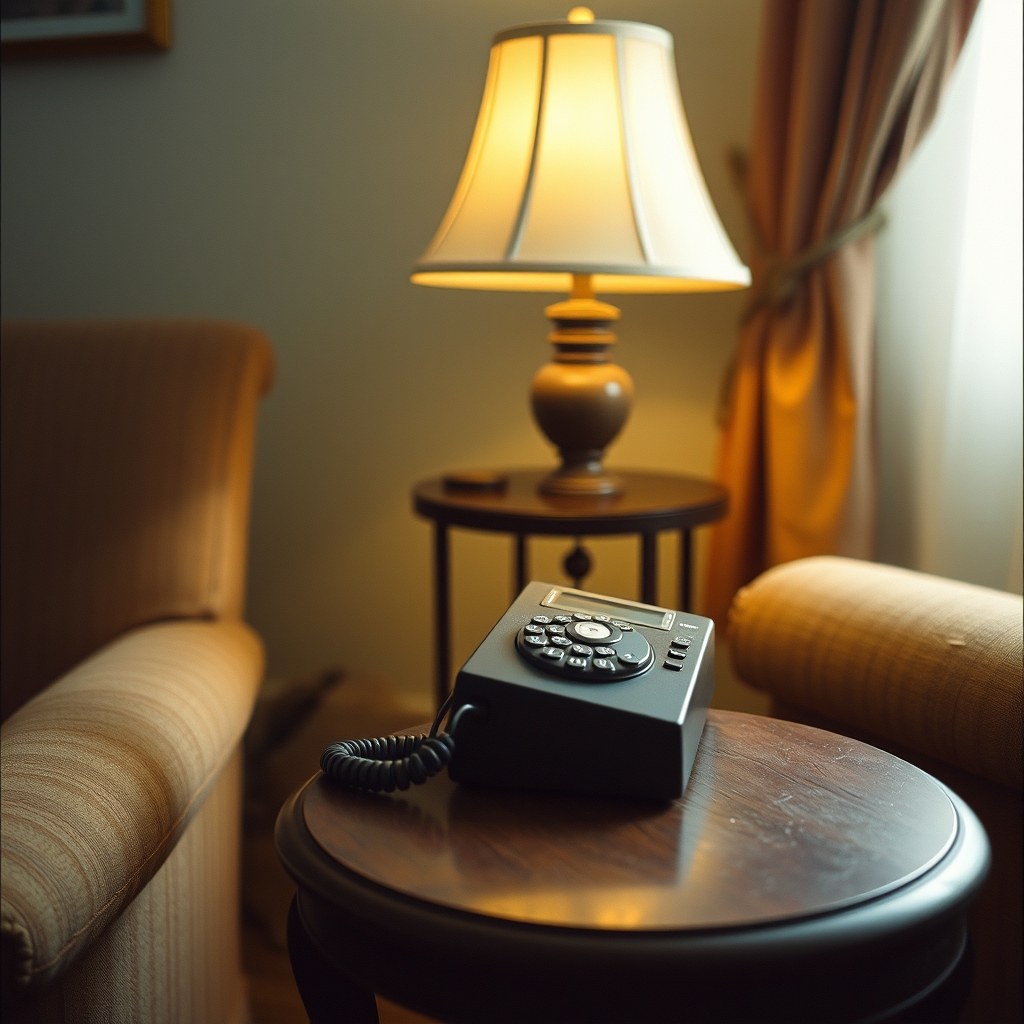
My grandmother called people. Just picked up the phone and called, with no warning text to ask if it was a good time. To me that now feels almost rude — an ambush. To her it was simply how you stayed close to the people you loved. Somewhere between her generation and mine, the call became an event, and we lost something in the trade.
Texting is convenient and a little flat
The message won. It is quick, silent, and respectful of everyone's schedule, and for arranging a meeting or sharing a fact it is perfect. But it strips out almost everything that carries warmth — the tone, the pauses, the laugh, the small audible signs that a person is really there. We gained efficiency and quietly gave up presence. A thread of texts can run for years without either person ever hearing the other's voice.
The voice carries what the screen can't
There is information in a voice that no text can hold. You can hear when someone is tired under their cheerful words, catch the hesitation before they admit something, feel the difference between a polite reply and a real one. A ten-minute call often does more for a friendship than a month of messages, because it lets two people actually be in something together, however briefly.
The barrier is mostly habit
We tell ourselves the call is an imposition, too much to ask of busy people. Usually it isn't. Most of us would be glad to hear a friend's voice; we just never expect to, so we never offer. The awkwardness is in the breaking of habit, not in the call itself.
Pick one person and call them this week, unannounced or not. Let it be a little awkward at first. Beneath the rust of disuse is one of the warmest, simplest ways we have of telling someone they matter — and it has been sitting in our pockets the whole time.