The Return of the Long Movie
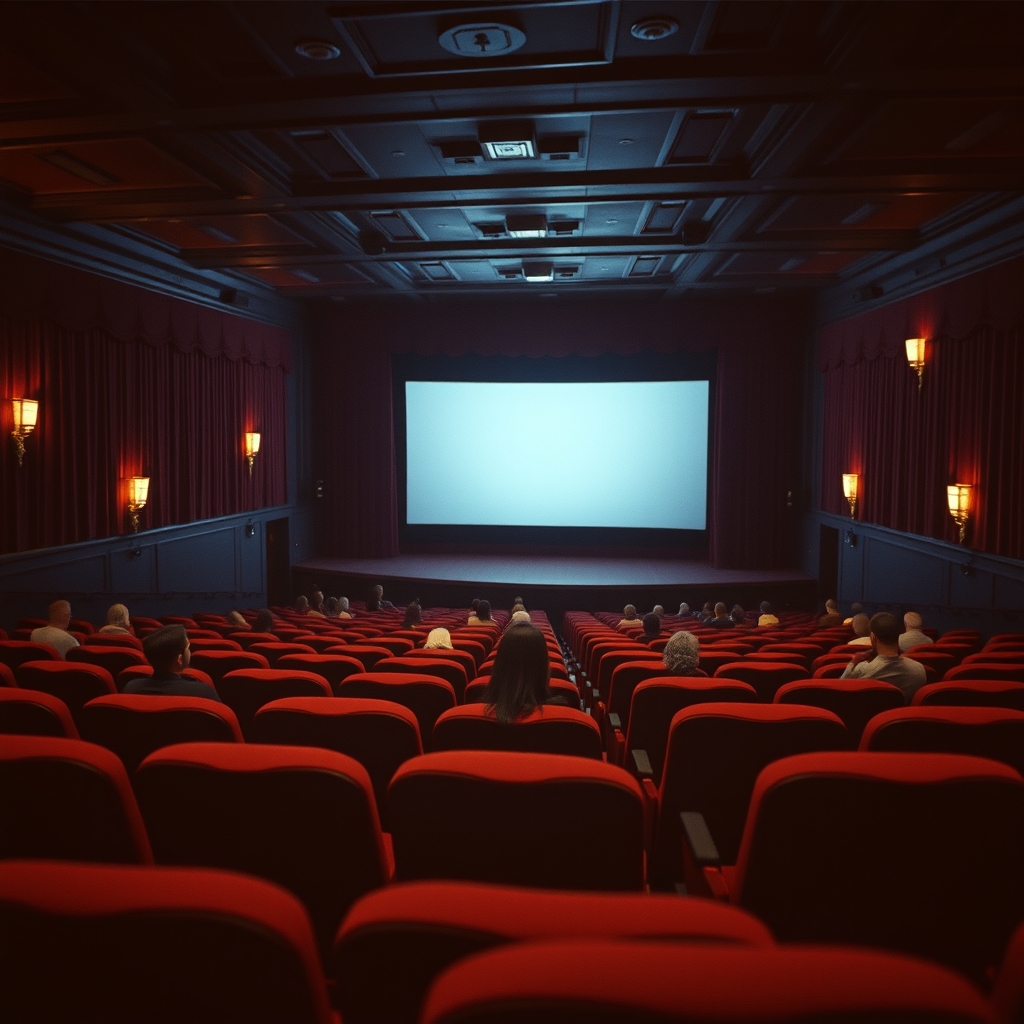
Every so often a film arrives that runs close to three hours, and the same debate erupts: who has the patience for this? And then people go, in large numbers, and sit happily through all of it. The long movie was supposed to be impossible in an age of short attention. Its stubborn survival says something we keep forgetting.
Attention isn't gone; it's selective
We are told constantly that nobody can focus anymore, that everything must be short and fast. Yet the same people who can't watch a two-minute clip without skipping will give three uninterrupted hours to a story that earns it. Attention did not vanish. It became choosy. We will pay it gladly for something we judge worth the price, and withhold it from everything else.
Length lets a story breathe
Some stories simply need the room. A world takes time to build, a character time to change, a payoff time to be earned. The long film can do things the brisk one cannot — let scenes linger, let silence land, let you live in a place long enough to miss it when it ends. The runtime is not indulgence; it is the size of the thing being made.
The shared event matters
Part of the appeal is the commitment itself. To sit in a dark room with strangers and give three hours to one story is increasingly rare, and rareness makes it feel like an occasion. The length is part of the ritual — a deliberate retreat from the fragmented day into a single, unbroken experience.
The doom-mongers keep writing off our ability to pay attention. The crowds at the long film keep proving them wrong. We can still sit with one thing for hours. We are just particular, now, about which thing deserves it.