Where the Algorithms Hit the Human Wall
I recently found myself staring down a self-checkout machine that had, for reasons known only to its coded heart, decided my perfectly good avocado was an unregistered item. It flashed an indignant red, demanding the intervention of a human. My brief moment of technological independence dissolved into a familiar wait for an employee to tap a few keys, override the system, and restore the natural order of things. It was a minor inconvenience, yet it illustrated a larger point: for all our engineered efficiencies, there remain moments when the seamless flow of automation quite simply hits a human wall. And often, that wall is exactly where it needs to be.
We live in an age that worships speed and frictionless experience. The promise of artificial intelligence, particularly, is often framed as the ultimate solvent for inefficiency, a boundless engine for prediction and optimization. Algorithms can sift through mountains of data in milliseconds, identifying patterns, flagging anomalies, and offering recommendations with a certainty that can feel, to our error-prone brains, almost divine. From suggesting our next streaming binge to flagging potential financial fraud, AI has made itself indispensable by streamlining decisions we once wrestled with, or couldn’t even conceive of. And for much of this, we are genuinely grateful. The world, by many measures, moves faster, smarter, with fewer visible snags.
The Limits of Logic, The Depth of Context
Yet, the true genius of human intelligence lies not just in processing information, but in understanding it – understanding the context, the nuance, the inherent messiness of the real world that data points only ever partially capture. An algorithm can diagnose a medical condition with astonishing accuracy based on symptoms and test results. But it won't understand the patient’s fear, their family history that isn't in the EHR, the subtle social pressures that might make adherence to treatment challenging. It can predict financial markets, but it can’t quite grasp the irrational exuberance or the sudden, collective anxiety of a populace.
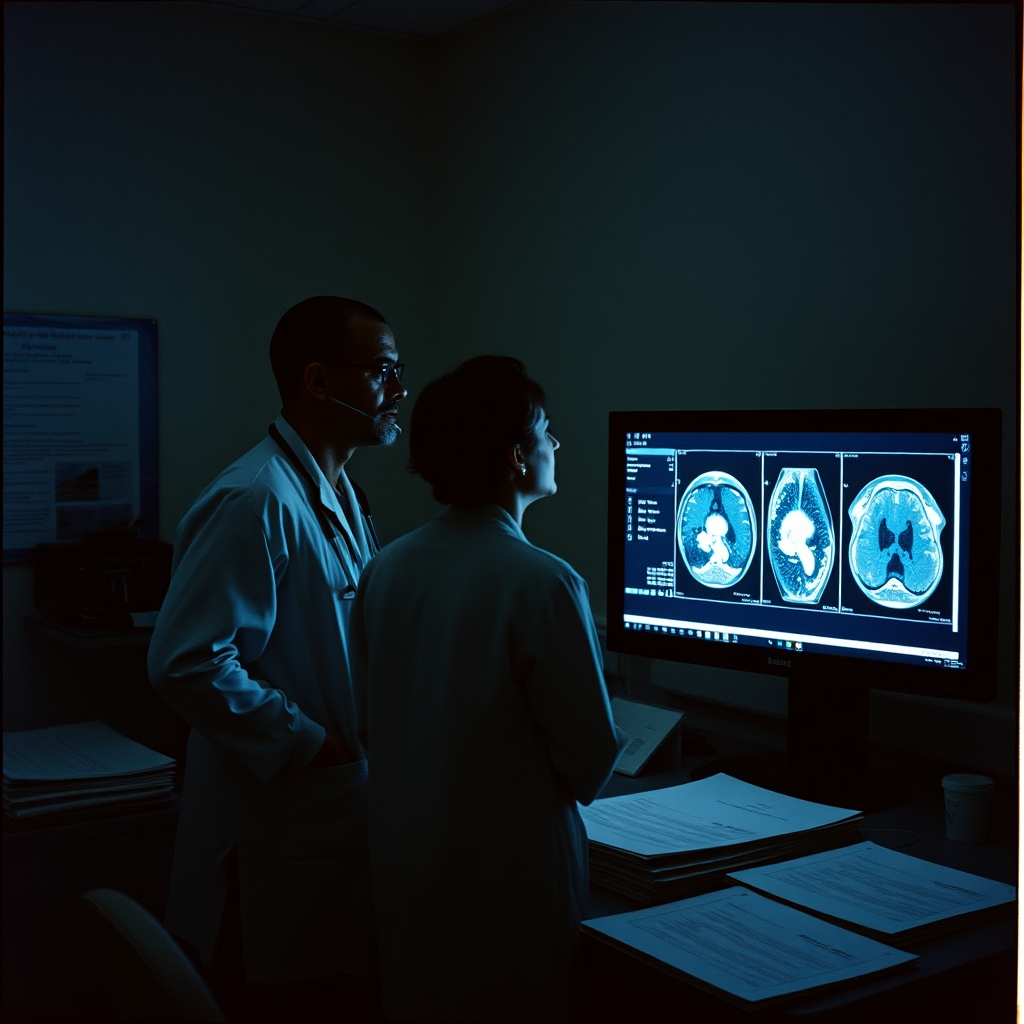
These are the quiet, critical spaces where human judgment, empathy, and sheer intuition step in. They are the moments when a doctor looks at the scan, then at the patient, and asks a different question. Or when an underwriter reviews a loan application that looks perfect on paper, but a gut feeling prompts a deeper dive into local economic conditions. The algorithm, by its very nature, is a system of logic. It excels within predefined parameters. But life, bless its heart, rarely stays neatly within the lines.
The Virtue of the Veto
Consider the seemingly paradoxical value of what might be called the "human veto." It's the deliberate decision to slow down, to interject a subjective perspective into an objectively optimized process. We’ve been conditioned to view any pause as a failure, any human gatekeeper as an impediment. But a well-placed human bottleneck can be the difference between a minor misstep and a catastrophic error. It is the ethical pause before deploying a facial recognition system in a sensitive area. It is the editorial review before an AI-generated article goes to print. It is the artist’s hand, refusing the AI's perfect suggestion for a brushstroke, insisting on an imperfection that gives it soul.
These moments aren't about being anti-technology; they are about leveraging technology more wisely. They acknowledge that while AI can amplify our capabilities and extend our reach, it also needs to be tethered to a deeper understanding of human values, societal impact, and the ineffable qualities that make us, for lack of a better word, us. Without that tether, the algorithms, for all their power, risk optimizing us into corners we never intended to enter.
The Enduring Irregularity
The truth is, much of what we truly value—creativity, ethics, compassion, true justice—is inherently irregular, stubbornly resistant to quantification. These are the qualities that allow us to navigate novel situations, to make difficult moral choices, and to innovate beyond the bounds of existing data. AI can assist, illuminate, and even inspire. But the final, often messy, decision often falls to us, precisely because we can grapple with what should be rather than just what is.
So, the next time you find yourself waiting for a human to override a stubbornly logical machine, perhaps resist the urge to simply sigh in frustration. Instead, consider it a quiet affirmation: that for all our technological prowess, there are still vital checkpoints where the algorithms meet their match, where the cold precision of code yields to the warm, if sometimes slow, wisdom of a human mind. And that, in the long run, is a very good thing indeed.