Why Netflix’s ‘Baby Reindeer’ Is Failing To Protect Real-Life Identities
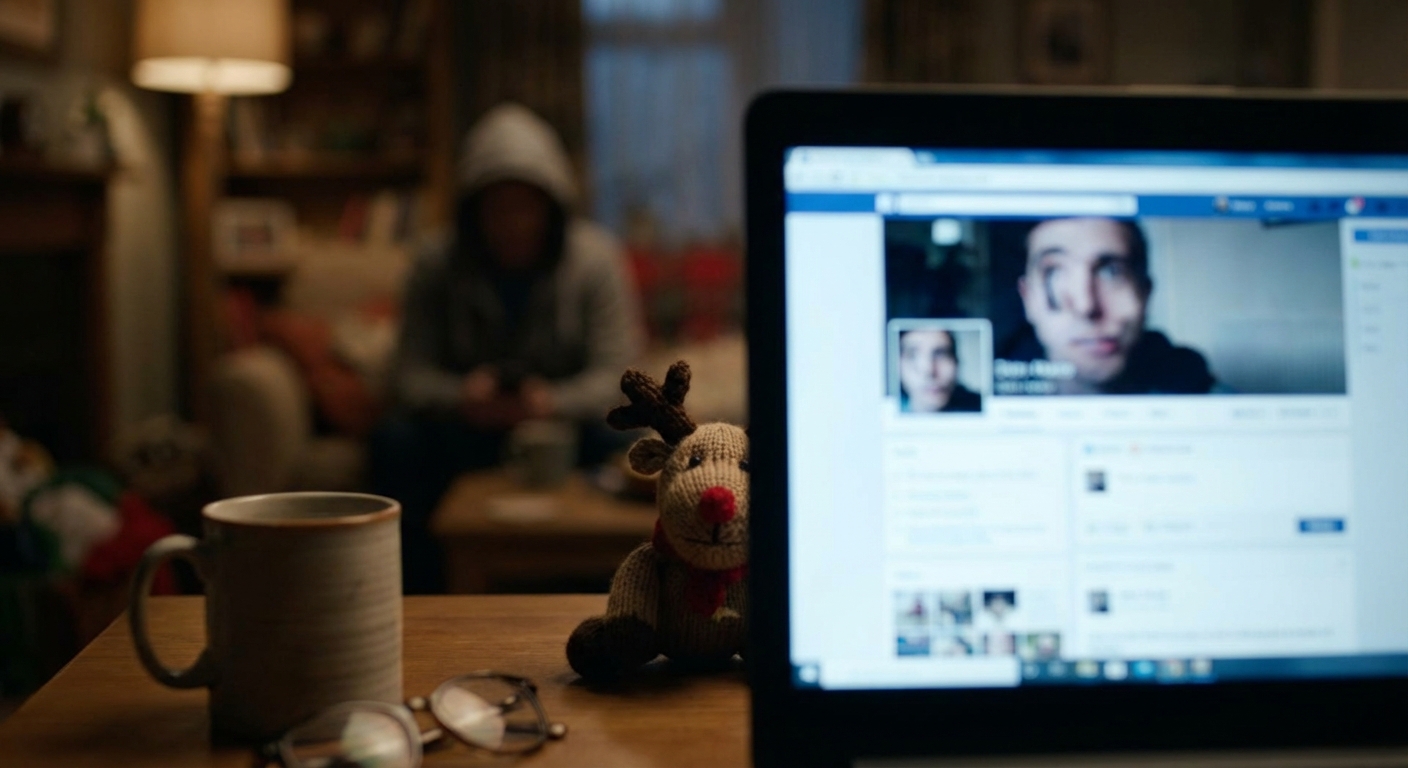
"This is a true story" is the most dangerous sentence in modern entertainment.
Netflix didn’t just release a hit show with Baby Reindeer. They launched a global, digital scavenger hunt. They didn’t protect the victims, and they certainly didn’t protect the accused. They handed a loaded gun to the internet’s most obsessive sleuths and acted surprised when someone pulled the trigger.
I’ve spent the last decade tracking how content impacts culture. Usually, a show starts a conversation. This time, it started a manhunt.
Here is why Netflix’s "duty of care" is officially dead.
The Failure of Lazy Anonymization
In the old world of television, you changed a name, moved the city, and swapped the hair color. That was enough. In 2024, that is total negligence.
Richard Gadd—the creator and star—asked fans not to investigate. That’s like telling a dog not to bark at a mailman. It’s an invitation, not a deterrent.
The production team left breadcrumbs that were too easy to follow. They didn’t just use "real" events; they used specific, searchable digital footprints.
- Tweets were mirrored almost verbatim.
- Specific dates and locations were left intact.
- Professional backgrounds were barely tweaked.
Within 72 hours of the premiere, TikTok "detectives" had found the real-life "Martha." They didn’t need a private investigator. They needed a Google search bar.
The Algorithm of Vigilantism
Netflix knows its audience. They know we are a culture of "True Crime" junkies. We don't just watch; we participate.
The algorithm rewards engagement. What drives more engagement than a 7-episode binge? A 3-week investigation.
By labeling the show "This is a true story" rather than the standard "Inspired by real events," Netflix signaled to the audience that the "truth" was out there to be found. This wasn't a failure of oversight; it was a feature of the marketing.
The "sleuth-o-sphere" took over:
- Phase 1: Comparison videos of the actress vs. the real person.
- Phase 2: Doxing of the real-life "Darrien."
- Phase 3: Harassment of innocent people who just happened to work with Gadd years ago.
Netflix provided the fuel. The audience provided the fire. The result? Total reputational carnage for anyone remotely connected to the script. When the "villains" are real people, the "entertainment" doesn't end when the credits roll. It moves to the comments section.
The $170 Million Legal Blindspot
Privacy isn't just an ethical concern anymore. It’s a massive balance sheet liability.
Fiona Harvey’s $170 million lawsuit against Netflix isn't just a headline. It is a seismic shift for the streaming industry. For years, streamers have played fast and loose with "based on a true story" tropes to bypass the boring parts of reality.
But Baby Reindeer broke the unspoken rule: If you’re going to portray someone as a criminal, you better make sure they can’t be found.
Netflix’s legal department allowed the "true story" claim to stand even though the show depicted "Martha" as a twice-convicted stalker who went to prison. In reality, there is no public record of Harvey going to prison.
That’s not creative license. That’s defamation on a global scale.
The industry is watching. If Netflix loses this, the "True Story" era is over. The cost of "authenticity" just became too high for any CFO to approve. We are entering the era of the "Hyper-Fictionalized Truth," where lawyers will strip every identifiable detail until the "real story" is unrecognizable.
The Ethics of Trauma-Mining
We have reached the limit of "Main Character" storytelling.
Richard Gadd told his story to heal. Netflix bought his story to scale.
But when we mine real-life trauma for 4K resolution entertainment, we ignore the collateral damage. The real-life subjects—whether they are "villains" or not—are human beings with a right to a fair trial, not a trial by TikTok.
Netflix’s "Duty of Care" policy usually focuses on the actors on set. It’s time it focused on the people portrayed on screen. By failing to obscure the details enough to prevent doxing, Netflix effectively turned a mentally ill woman into a global punchline and a target.
They didn't protect Gadd, either. By letting the "real Martha" be found, they forced him back into a cycle of harassment and media frenzies that he was trying to escape through his art.
Nobody won. Except the shareholders.
The Insight
Within the next 24 months, we will see a "Privacy Standard" overhaul in Hollywood.
"This is a true story" will vanish. It will be replaced by a standardized, legally-vetted disclaimer: "This program is a fictionalization of certain events. Names, characters, and incidents have been significantly altered for dramatic purposes."
Streamers will start using AI-driven "Identity Stress Tests" before release. They will run scripts against public databases to see how long it takes for a bot to identify the real-world counterparts. If the bot finds them in under 10 minutes, the script goes back to the writers for more "obfuscation."
The Baby Reindeer fallout is the end of the "Raw Truth" era. From now on, the truth will be filtered through a dozen legal layers to ensure the audience never finds the source material.
The cost of a viral hit is no longer just the production budget. It’s the litigation budget.
The CTA
Is Netflix responsible for the actions of its "internet sleuths," or is the audience to blame for crossing the line?