7 Terrifying Reasons You Can No Longer Trust Anything You Hear on Social Media
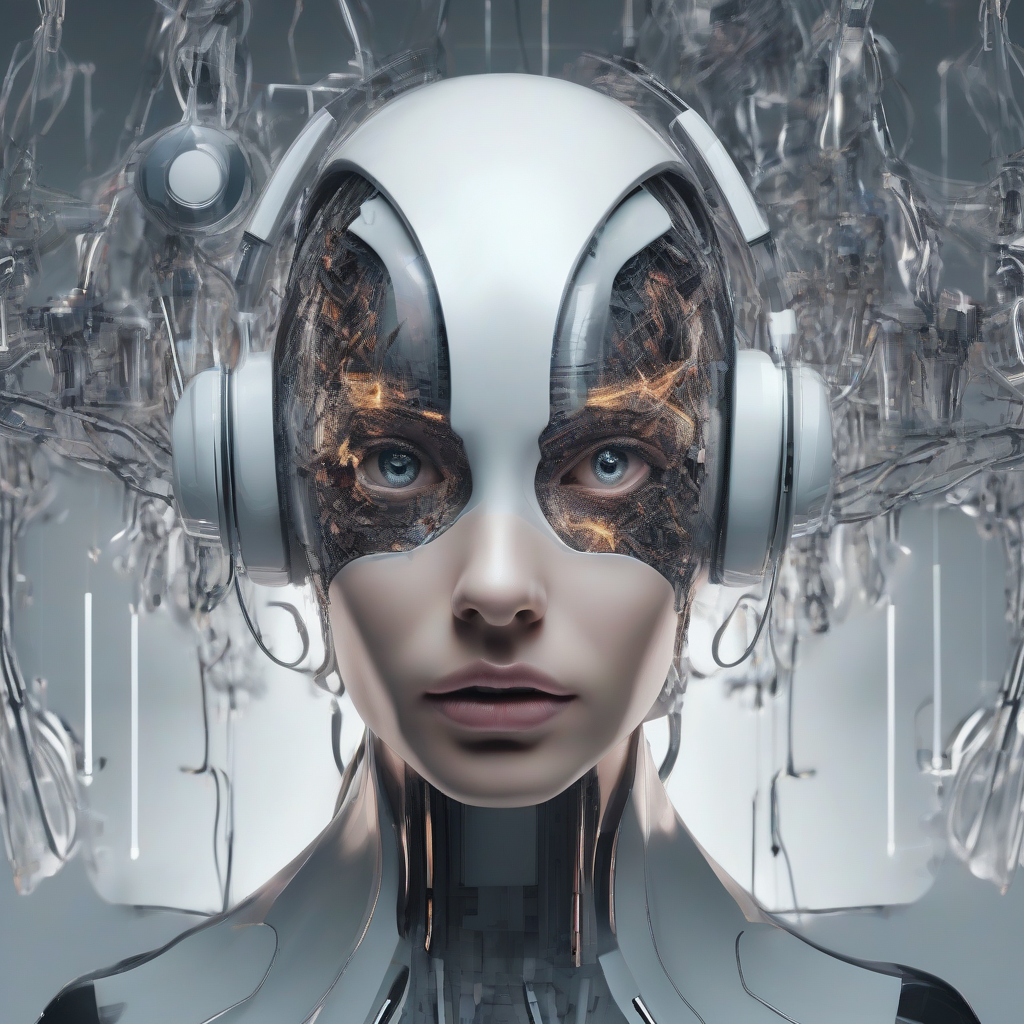
Stop trusting your ears. The internet is no longer human.
I spent the last decade tracking digital trends. I’ve watched the shift from "filters" to "fabrications." Last year, deepfake-related losses skyrocketed to $1.1 billion. That is a 300% increase in 12 months. The era of "seeing is believing" is dead. We are now in the age of "Synthetic Reality."
Here are the 7 terrifying reasons you can no longer trust anything you hear on social media:
1. The Death of the Ear-Witness In 2025, a CFO was tricked into transferring $25 million because a deepfake of his boss joined a video call. It sounded exactly like him. It used his specific jargon. If you hear a "leaked" recording of a politician or a frantic call from a family member, hang up. It isn’t them. It’s an algorithm.
2. The Dead Internet Theory is No Longer a Theory Nearly 50% of all internet traffic is now bots. But these aren’t the "I am a robot" bots of 2010. These are Large Language Models (LLMs) designed to simulate human consensus. The goal is "Astroturfing." If 1,000 accounts in a comment section are all saying the same thing, you start to believe it’s a popular opinion. It isn’t. It’s one person with a script and a server rack. Entire "viral" debates on X and TikTok are being manufactured by bot farms to sway public sentiment. You aren't participating in a community. You are shouting into a mirror.
3. The Hallucination Industrial Complex The problem? These fakes don't sound like fakes. They sound like authoritative, academic, and well-researched truth. The result is a feedback loop of garbage data that becomes "truth" simply because it was repeated by a high-follower account.
4. Synthetic Influencers and the "Perfect" Host Podcasting used to be the last bastion of authenticity. You can’t fake a three-hour conversation, right? Wrong. There are now "influencers" on Instagram who do not exist. They are 100% GAN-generated. They have 2 million followers. They "speak" about their daily routines. They have opinions on brands. You are forming emotional bonds with code.
5. Algorithmic Emotional Engineering The algorithms have learned that "outrage" is the most profitable emotion. They prioritize audio and video that triggers your nervous system. They aren't telling you the truth. They are performing the specific emotional frequency that keeps you from scrolling.
6. The Monetization of Deception Platforms are now paying for fakes. In 2025, Meta and TikTok began paying creators based on "engagement" metrics regardless of accuracy. A viral hoax about a celebrity death or a manufactured political scandal pays out the same as a real news report. Actually, it pays better. If it sounds too shocking to be true, it probably is. But the platform doesn't care. They already served the ad.
7. Real-Time Multimodal Deception The final nail in the coffin is "Live" deepfakes. We used to think you could spot a fake because it wasn't interactive. Not anymore. Real-time facial re-enactment and voice synthesis mean someone can hop on a Live stream and look like anyone. The "uncanny valley" is closing. By the end of this year, you won't be able to distinguish a live video call from a synthetic one.
The Insight: The Great Verification Collapse
Within the next 24 months, the value of digital audio and video will crash to zero. We will no longer use "video evidence" to prove anything in court. We will no longer trust a "voice recording" from a whistleblower. The prediction: We are moving toward a "Verification Era." The only way to know something is real will be through "Digital Watermarks" or hardware-level encryption directly from the camera/mic. If it doesn't have a cryptographic signature from a verified human, it will be assumed fake by default. Personal relationships will move back to "In-Real-Life" or "Safe-Word" protocols. Trust is becoming a luxury item.
What was the last thing you saw online that you actually know was real?