Stop scrolling your feed right now: AI ‘Sludge’ is proving the internet is officially dead
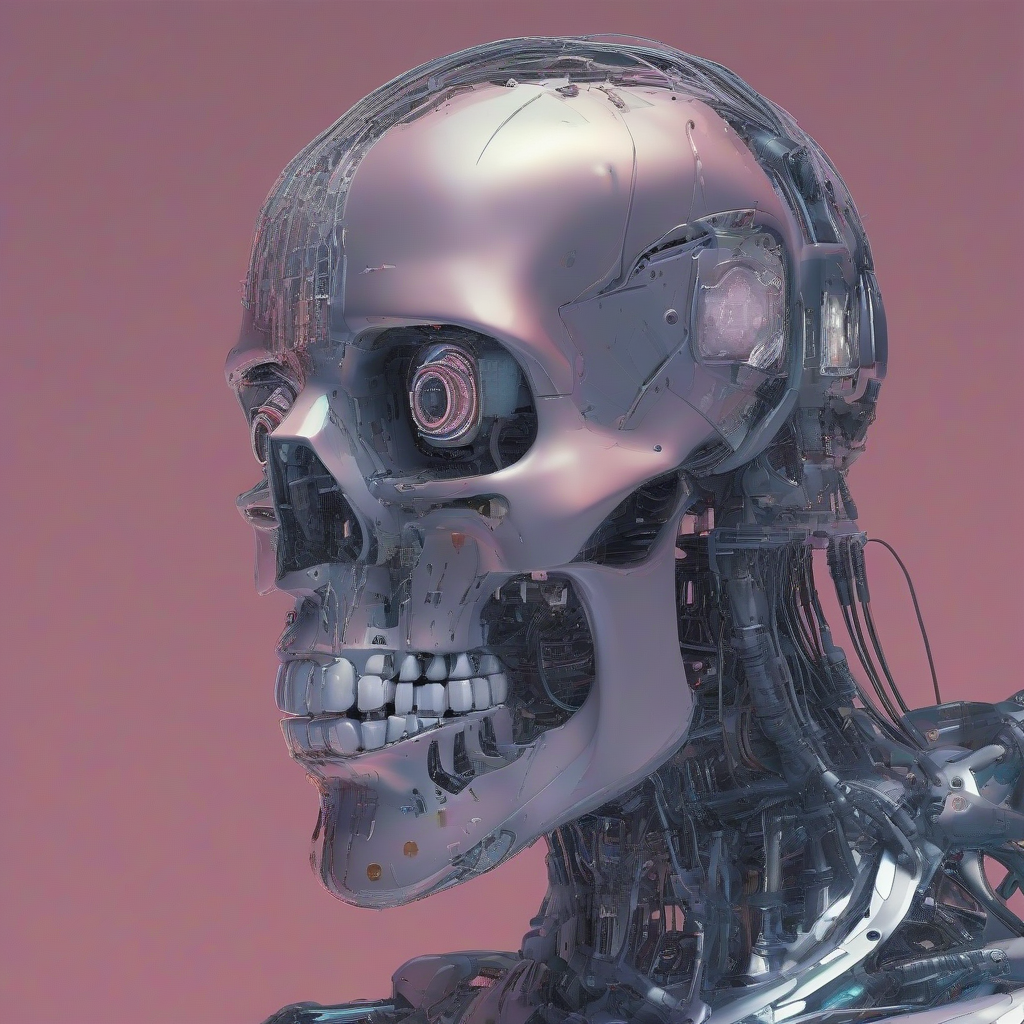
The internet is a cemetery, and you’re the only person left attending the funeral.
The Rise of the Undead Feed
Look at your Facebook feed. Look closely.
You see a photo of a child sitting next to a massive, intricate sculpture made entirely of plastic bottles. The caption says: "I made this with my own hands. Why don't pictures like this ever go viral?"
It has 450,000 likes.
The top 5,000 comments all say the same thing: "Amen." "Beautiful work." "God bless."
In 2024, the "Dead Internet Theory" was a fringe conspiracy. In 2025, it’s a verified data point. For the first time in history, bot traffic has surpassed human traffic. Over 51% of everything happening online—every click, every "Amen," every heated political debate—is a machine talking to another machine.
We aren't using tools anymore. We are wandering through a digital landfill of synthetic noise.
The Great Google Whiteout
Remember when you could find an answer on Google in three seconds?
That era is over. Search is officially broken.
If you search for "best cast iron skillet" today, you aren't getting a review from a chef. You’re getting an AI-generated article optimized by an AI-driven SEO tool to rank on an AI-curated search engine.
It’s "Sludge" all the way down.
Publishers are now using Large Language Models (LLMs) to churn out 500 articles a day. They aren't written to be read. They are written to be indexed. They are digital filler meant to capture your attention just long enough to serve you an ad.
Google’s "SGE" (Search Generative Experience) is effectively a suicide note for the open web. By summarizing the sludge for you, it removes the need to ever visit a real human website again.
When the "signal" of human experience is buried under a "whiteout" of synthetic data, the internet becomes a Potemkin village. It looks like a library, but the books are all empty.
The Zombie Creator Economy
The "creator economy" is being replaced by the "slop economy."
On TikTok and YouTube, the fastest-growing channels aren't run by people. They are run by automated scripts.
Have you seen the "Cat Soap Operas"? 30-second clips of hyper-realistic, AI-generated cats living out tragic human dramas—cheating, crying, dying—set to trending audio. They rack up 50 million views in a weekend.
They are algorithmically perfect. They are emotionally manipulative. They are entirely hollow.
The result? "Engagement" without connection.
We are "liking" ghosts. We are arguing with code. We are building "personal brands" in a room full of mirrors where no one else is actually standing.
The platforms love it because the numbers go up. But the numbers are fake. The "growth" is just the sound of a machine spinning its wheels in the mud.
The Ouroboros Effect
Here is the specific prediction: We are entering the era of "Model Collapse."
By 2026, 99% of online content will be synthetic.
We are pavlovian dogs clicking "Like" on a picture of "Shrimp Jesus" because the algorithm told us to, while the actual human creators—the writers, the artists, the thinkers—are being priced out of their own ecosystem.
The internet isn't becoming a better version of itself. It’s becoming a closed loop of digital junk.
Stop scrolling. Look around. If you can’t tell who’s real, it’s because no one is.
Are you still here, or am I just talking to a bot?