The Hidden Truth About Moo Deng: Why the World Can’t Stop Watching This Tiny Hippo
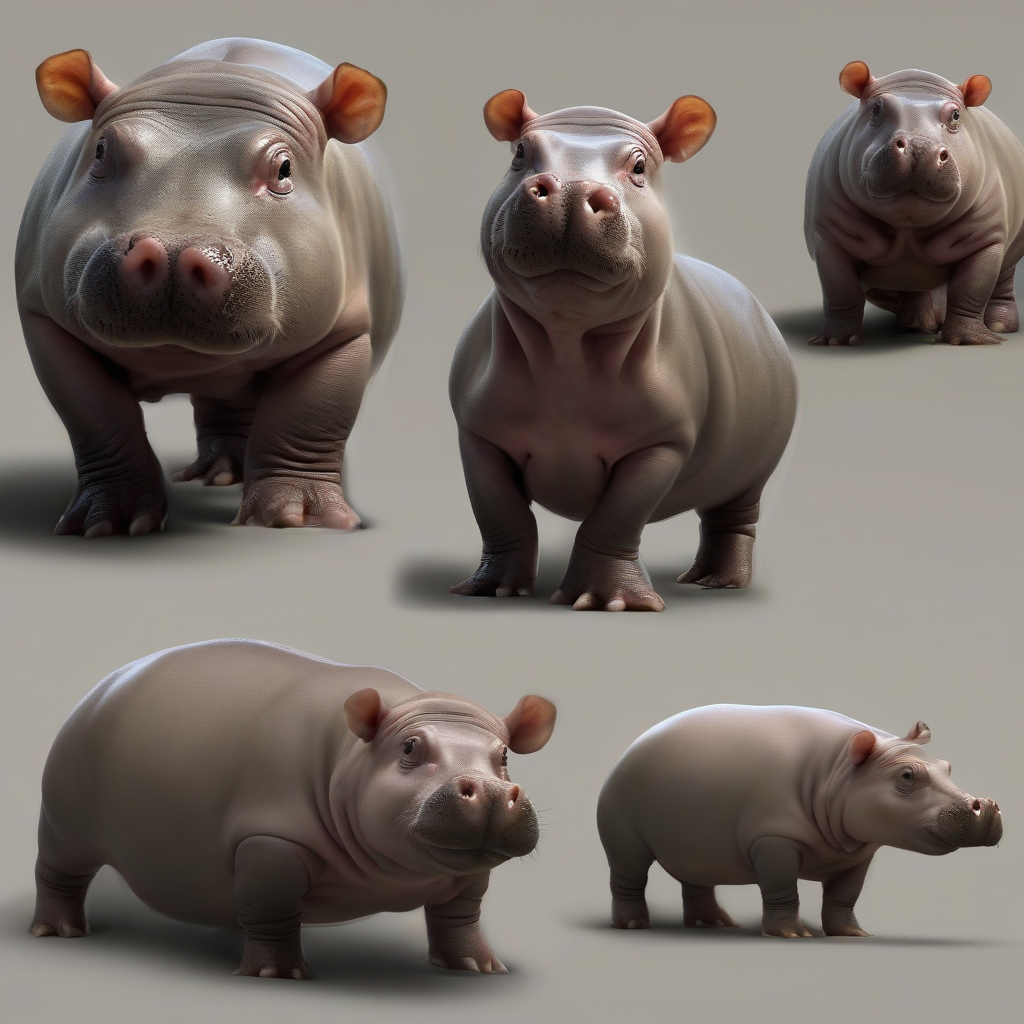
Moo Deng isn’t cute; she is a mirror of our collective mental breakdown.
We are currently witnessing the most efficient marketing machine on the planet. It didn’t come from a boardroom in New York. It didn’t come from a $10 million AI-driven ad agency. It came from a damp, screaming, two-month-old pygmy hippo in Thailand.
The world is obsessed. Brands are scrambling. Sephora is making makeup tutorials based on her skin tone.
But if you think this is just about a "cute animal," you are missing the biggest shift in consumer psychology of the last decade.
The Death of the Polished Aesthetic
For ten years, we lived in the "Instagram Face" era. Everything was beige. Everything was curated. Everything was filtered until it looked like a high-end hotel lobby.
Then came Moo Deng. She is moist. She is chaotic. She is constantly screaming. She spends half her time trying to bite the hand that feeds her and the other half vibrating with unexplained rage.
We are tired of "Perfect." We are starving for "Real." The modern consumer has developed a physiological rejection of high-production content. When we see a $1,000-an-hour influencer talking about their morning routine, our brains shut off. It feels like a lie.
Moo Deng is the ultimate "Unfiltered" icon. She represents the "Gremlin Mode" we all feel. The "Hidden Truth" is that we don’t want to be the girl in the clean aesthetic kitchen anymore. We want to be the tiny hippo who is slippery, angry, and refuses to cooperate with the world.
Low-fidelity content is the new high-status. If it looks like it was filmed on a 2014 smartphone through a wet lens, we trust it. If it looks like it cost $50,000 to produce, we skip it.
The Power of Relatable Aggression
In marketing, we talk about "Brand Voice." Usually, that voice is polite, helpful, and corporate. Moo Deng has a different brand voice: Pure, unadulterated defiance.
Watch the clips. She doesn't just sit there. She lunges. She chomps. She rejects the "Cute Animal" script. This is why she went viral while thousands of other zoo animals remain ignored.
We live in a "Polite Society" that is increasingly frustrated. We are stuck in Zoom calls. We are stuck in traffic. We are stuck in "Thank you for your email" loops. Moo Deng is the outlet for that repressed energy.
When she bites her keeper's knee, she isn't just a hippo. She is every employee who wants to scream at a "per my last email" message. This is "Aggressive Cuteness." It’s a psychological phenomenon where an object is so overwhelming that our brains process it as a threat, leading to a desire to squeeze, bite, or growl.
By being "difficult," Moo Deng became "desirable." The lesson for creators: Stop trying to be likable. Start being undeniable. Conflict creates engagement. Politeness creates silence.
The Speed of the Memetic Lifecycle
The "Moo Deng Effect" moved faster than any trend in 2024. Within 72 hours, she moved from a local Thai Facebook page to the front page of every major news outlet on earth.
Why? Because she is "Visually Iterative." She is easy to draw. She is easy to Photoshop. She has a "Bouncy" physics that makes her perfect for short-form video loops.
Most brands try to build a "Community." Moo Deng built an "Ecosystem." She didn’t ask for attention; she became a canvas for it.
Fans are making 3D models. They are making crochet dolls. They are making memes about her being a bouncer at a club. When the audience becomes the creator, the brand becomes immortal.
The "Hidden Truth" of her success is that the zoo didn’t gatekeep the content. They let the internet own her. They allowed the chaos to scale. In the modern attention economy, if you try to control the narrative, you kill the trend. Moo Deng is a decentralized meme. She belongs to the "For You Page," not the zookeeper.
The Insight
The "Moo Deng" phenomenon marks the end of the "Influencer" as we know it and the rise of the "Organic Chaos Entity."
Prediction: Within the next 12 months, the most successful brands will stop hiring "perfect" spokespeople. They will start looking for "Chaos Icons." We will see a massive pivot toward "Ugly-Cute" marketing. We will see "Unmanaged" brand accounts that prioritize being unhinged over being helpful.
The era of the "Bouncy, Bitey, and Damp" has begun. If your content isn't vibrating with a little bit of unexplained rage, the algorithm won't even see you.
The world is a mess. We just want a tiny hippo to represent that mess for us.
Are you still trying to look perfect, or are you ready to start biting?