7 Reasons OpenAI Sora Will Replace 90% of Video Editors in 24 Months
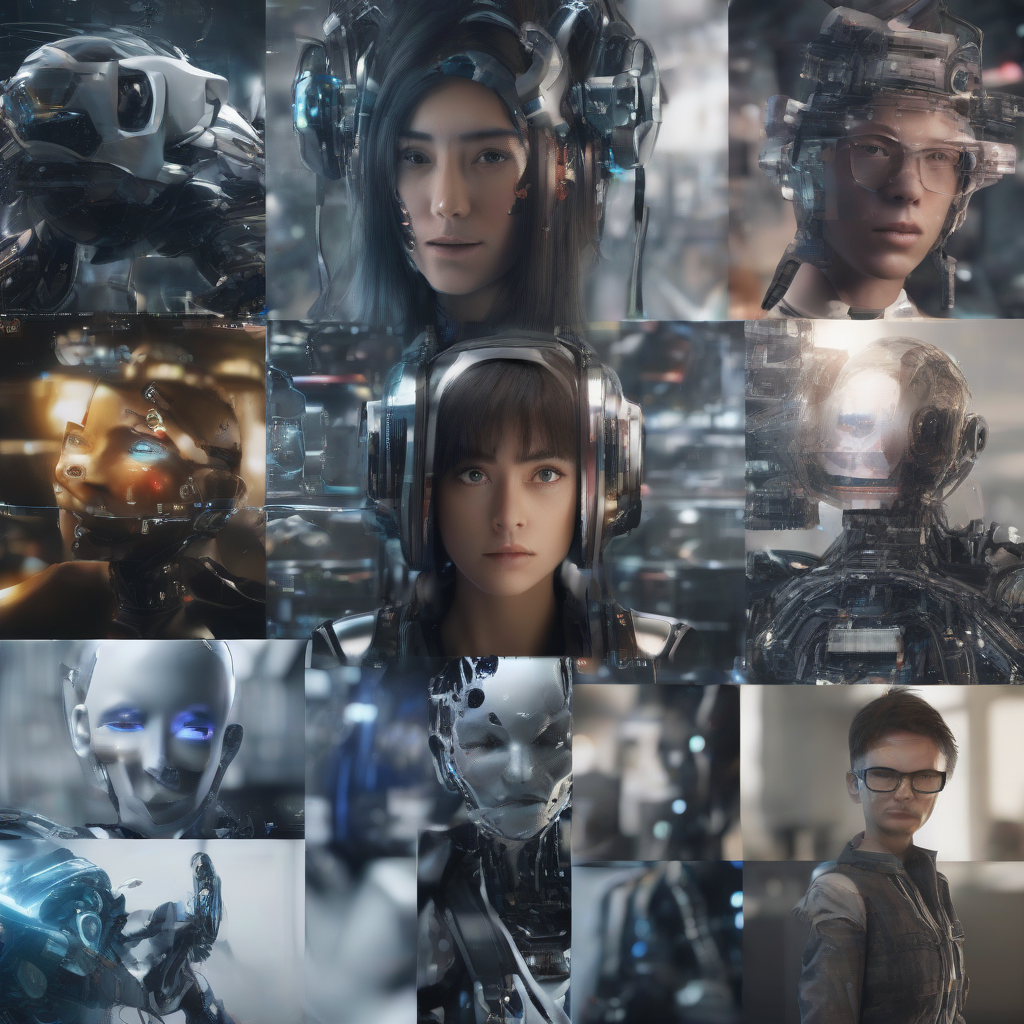
Your $5,000 MacBook Pro is about to become a very expensive typewriter.
The era of the "technical" video editor is over. If your value is based on how fast you can cut clips, navigate a timeline, or color grade a Log profile, you are already unemployed. You just haven’t realized it yet.
OpenAI Sora isn’t just another tool. It isn’t an "assistant." It is a structural shift in how moving images are created, processed, and consumed. We are moving from the era of Capture and Edit to the era of Prompt and Generate.
Here is why 90% of video editors will be replaced in 24 months.
1. The Death of the "Stock Footage" Arbitrage
For a decade, mediocre editors have survived on the "Stock Hack."
Clients want a cinematic shot of a sunset over a neon city? The editor goes to Pexels, Envato, or Adobe Stock. They spend three hours searching, downloading, and color-matching. They charge the client $500 for the "search and curation."
Sora kills this overnight.
Why pay for a subscription to a library of 1 million clips when you can generate the exact 4K shot in your head in 60 seconds? Sora doesn't just find a clip; it creates the perfect one. The lighting is exactly how you want it. The camera angle is precise. The "Editor" who functioned as a high-priced librarian is the first to go.
2. The Physics Engine vs. The Keyframe
Traditional editing and VFX require a deep understanding of spatial physics. If you want to add a reflection to a car window or make a character walk through a puddle, you need hours of masking, tracking, and compositing.
Sora is a world simulator. It understands that when a person walks, their shadow should follow. It understands that when a glass breaks, the shards should bounce according to gravity.
We are moving from "Editing" to "Directing."
3. The Destruction of the Feedback Loop
The "Editor-Client" relationship is currently a cycle of pain.
- Client sends a brief.
- Editor sends a draft.
- Client wants a "small change."
- Editor spends 4 hours re-rendering.
Sora collapses this timeline to zero.
Imagine a Zoom call where the client says, "Make the actor's shirt red and change the setting from a forest to a desert." In the old world, that's a week of reshoots or a month of VFX. In the Sora world, you update the prompt. The render happens in real-time.
When the "Technical Barrier" to making changes disappears, the need for a middleman to execute those changes disappears with it. The client will eventually just talk to the screen themselves.
4. The 10,000x Cost Reduction
A high-end commercial costs $100,000 to $1,000,000. Most of that budget goes to "people on a timeline."
- Colorists.
- Sound designers.
- Junior editors.
- Motion designers.
Sora does the work of a 10-person production house for the cost of a ChatGPT subscription.
Companies operate on margins. If a marketing manager can generate 50 high-performing TikTok ads for $20 a month using AI, they will not hire a freelancer for $5,000.
5. Personalization at Scale
This is the nail in the coffin. A human editor creates one video for a million people.
In 24 months, your YouTube feed won't just show you videos—it will generate them based on your specific history. If you like blue cars and lo-fi music, Sora-integrated platforms will tweak the visuals of the content you're watching in real-time to keep you engaged.
A human editor cannot compete with an algorithm that can edit 10,000 variations of the same video simultaneously. The "Static Video" is dead. The "Liquid Video" is here.
6. The Prompt is the New Premiere Pro
Software literacy used to be a moat. If you knew Avid, Premiere, and After Effects, you had a career.
Now, the "Language" of video is natural English.
The moat is gone. The 15-year-old with a vision and a clever prompt is now more powerful than the 40-year-old veteran with a $50,000 suite. Sora democratizes the output, which devalues the process.
When the process is devalued, the wage for that process craters. We are seeing the "blue-collarization" of digital creative work. If anyone can do it, no one gets paid well to do it.
7. The Integration of Everything
Sora is not a standalone app. It will be an API.
It will live inside Canva. It will live inside Instagram. It will live inside Shopify.
The Insight
We are moving from a "Craft-Based" economy to a "Curation-Based" economy.
The 10% of editors who survive will not be "editors" at all. They will be Creative Directors. They won't spend their time cutting clips; they will spend their time refining prompts, managing brand consistency, and directing the AI's "vision."
The "Technical Editor" is a dead man walking. The "Creative Orchestrator" is the only one who gets a seat at the table.
If your job can be described as a "workflow," it is already gone. If your job is "imagination," you might have a chance. But even then, you're competing with a machine that has read every script and seen every movie in human history.
The disruption won't take a decade. It’s a 24-month countdown.
Are you a technician or a visionary?