7 Terrifying AI Deepfakes That Could Rig the Election in Under 24 Hours
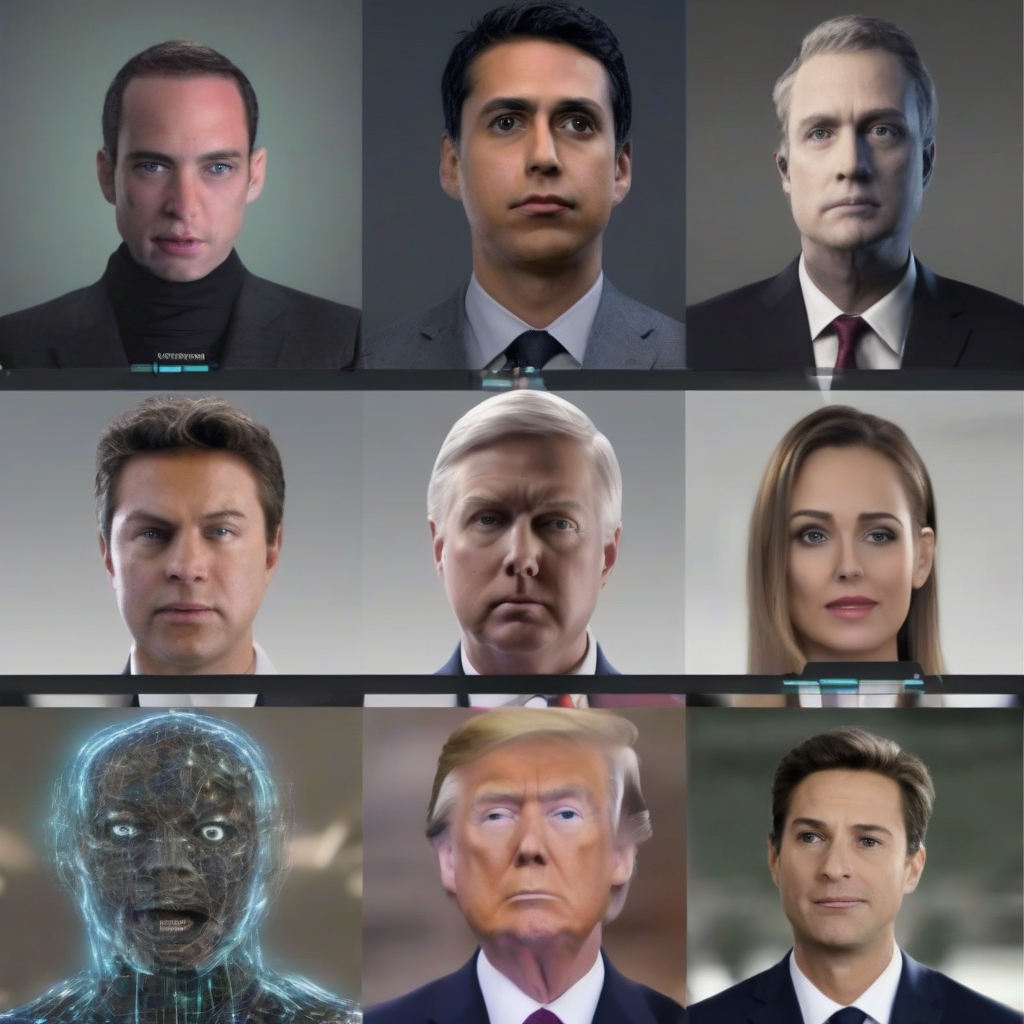
Democracy is no longer about who gets the most votes. It’s about who controls the most convincing lie for the shortest amount of time.
In 2024, the "October Surprise" is dead. It has been replaced by the "Election Eve Deepfake." We are entering an era of weaponized latency—the 24-hour window where a lie can travel around the world before the truth can even get its boots on.
The Architecture of Narrative Collapse
Most people think a deepfake is a clunky video of a politician with a glitchy mouth. That was 2022. Today, we are dealing with high-fidelity, multimodal psychological operations.
The goal isn't necessarily to make you believe the lie forever. The goal is to create "Maximum Friction."
Here are the 7 scenarios currently keeping intelligence agencies awake at night:
1. The 3 AM "Hot Mic" Audio Leak Audio is the ultimate weapon. It is easier to fake than video and harder to debunk in real-time. Imagine a clip surfacing at midnight before the election. It’s a candidate’s voice—grainy, muffled, sounding like it was recorded from a pocket. They are using a racial slur. They are mocking their own donors. They are admitting to a crime. By the time forensic audio experts verify the synthetic "noise floor," the polls have already opened. The damage is localized, viral, and irreversible.
2. The Health Crisis Seizure Visuals of a candidate collapsing are more powerful than any policy debate. An AI-generated video shows a candidate having a massive neurological event behind a closed door. It’s shaky, filmed on a "leaked" iPhone. The video hits X and Telegram at 6:00 AM on Election Day. Voters heading to the polls see it. They don't want to "waste" their vote on someone who might be dead in a week. Turnout drops. The candidate is actually fine, but they’re busy doing interviews to prove they’re alive instead of getting out the vote.
3. The Precinct "Emergency" Broadcast "Due to a water main break/security threat, your polling location has been moved 10 miles away." The voice sounds exactly like the local Sheriff. The graphics look like the local news. By the time the real Sheriff issues a correction, thousands of people have given up and gone to work. This isn't about changing minds. It’s about suppressing bodies.
4. The Synthetic "Foreign Agent" Financials Imagine a high-resolution "leak" of a candidate’s banking app. It shows a $50 million transfer from a hostile foreign power. The video shows the candidate’s face as they log in, clear as day.
5. The "White Flag" Withdrawal At 7:00 AM on Election Day, a video of the frontrunner appears. They look tired. They look defeated. "After a long night of reflection and a new legal development, I am officially suspending my campaign. Please do not go to the polls." It’s a perfect deepfake. The lip-sync is flawless. The emotional tone is right. For the casual voter who hasn't checked the news in four hours, it’s a directive. They stay home. Even a 1% success rate on this video changes the presidency.
6. The Staged "Ballot Box" Tampering Security footage surfaces showing poll workers in a key swing-state county dumping bags of ballots into a shredder. The footage is grainy, black-and-white, and timestamped "2:14 AM." It looks like traditional CCTV. In reality, the people and the ballots were generated by a Sora-class video model. The goal here isn't to flip the vote—it’s to incite a riot. It creates a "Cloud of Illegitimacy" that justifies post-election chaos and prevents certification.
7. The "AI Candidate" Endorsement A video surfaces of a beloved, deceased political icon or a highly respected non-partisan figure. They appear to be endorsing the opponent at the last second. "I’ve seen the private evidence, and I cannot stay silent." Using "Resurrection AI," bad actors can leverage the trust of the dead to influence the living. It bypasses the "I don't trust politicians" filter because it comes from a source the voter already loves.
The Post-Truth Latency Prediction
The danger isn't that people are "stupid." The danger is that the "Debunking Cycle" is too slow.
Right now, it takes roughly 6 to 12 hours for a major platform to verify a deepfake and attach a community note or warning. In an election, 12 hours is an eternity.
My specific prediction: The 2024-2028 cycle will see the birth of the "Verified Human" mandate.
We are moving toward a world where no digital content will be trusted unless it carries a cryptographic "Content Provenance" watermark (C2PA). If it doesn't have a digital signature from a verified camera lens, it will be treated as fiction.
But we aren't there yet.
We are currently in the "Great Visibility Gap." We have the tools to create perfect lies, but we don't yet have the infrastructure to verify the truth in real-time. This gap is where the next election will be won or lost.
The most successful deepfake won't be the one that looks the best. It will be the one that confirms what you already want to believe about the person you hate.
If you see a "bombshell" 24 hours before the election, what is your plan to verify it?