The Case for Eating Slowly
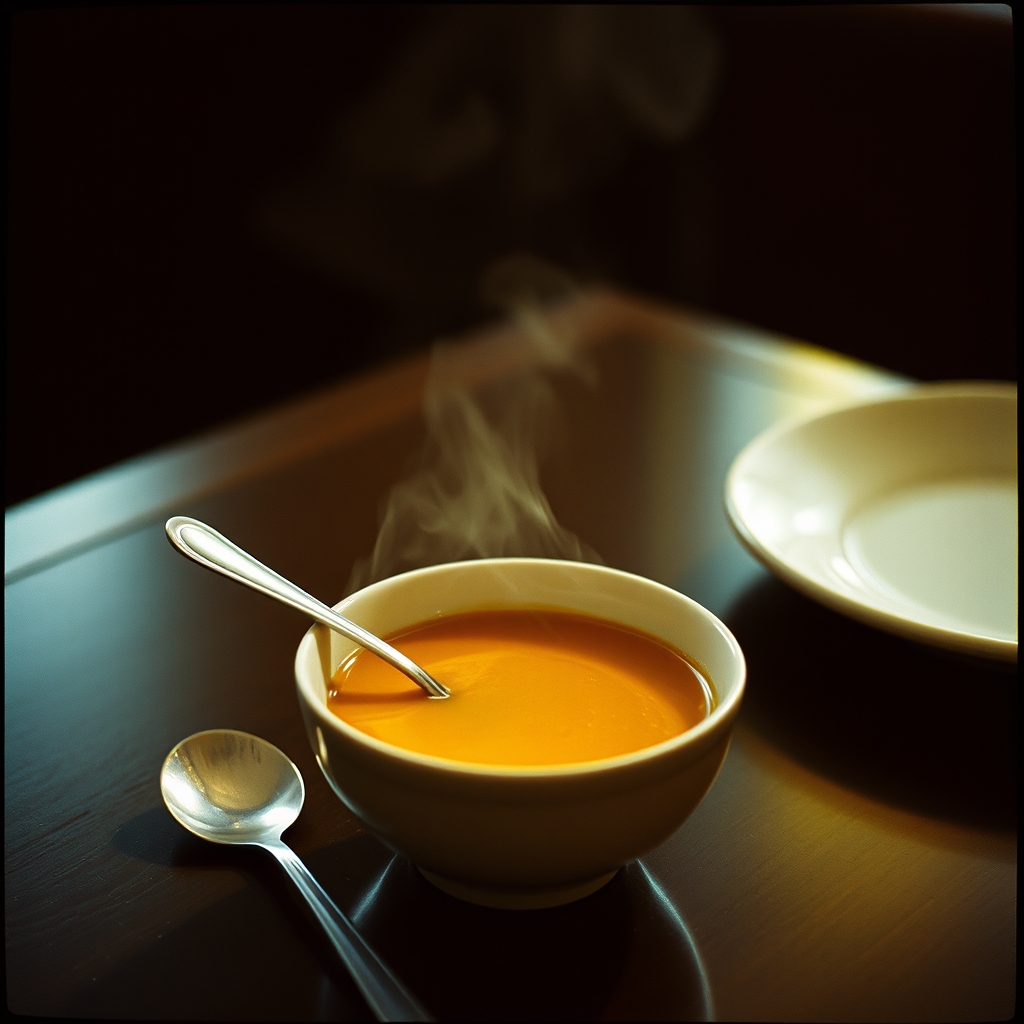
I used to eat the way I did everything else — fast, distracted, already onto the next thing. Lunch happened over a keyboard in eight minutes flat. It took an unglamorous stomachache and a patient friend to make me notice that how we eat may matter nearly as much as what, and that slowing down is one of the cheapest improvements available.
The body needs time to notice it's full
There is a lag between eating and feeling satisfied — the signals take a while to arrive. Eat fast and you blow past the point of enough before your body has a chance to mention it, which is how we end up overfull without having meant to. Slowing down simply lets the message catch up, so you stop when you've had enough rather than long after. No diet required; just a slower fork.
Speed turns a meal into mere fuel
Eating quickly, on the move, in front of a screen, strips a meal of everything but its calories. You finish without quite having tasted it, the pleasure rushed through and forgotten. A meal eaten slowly, with attention, is not just healthier — it is more satisfying, which means you need less of it to feel content. Savoring is its own kind of efficiency.
Slow eating is a small daily calm
There is also the matter of pace. A meal can be a rare pause in a hurried day, a few minutes of doing one thing fully — or it can be one more task rushed through on the way to the next. Choosing to slow down at the table is choosing, several times a day, to step out of the hurry. The body benefits; so does the nervous system.
Try it at your next meal. Put the fork down between bites, taste the thing, let the eating take as long as it takes. It costs nothing, requires no plan, and quietly improves both your health and one of the small daily pleasures we've been racing through without noticing.