5 Brutal Reasons Why Generative AI is Failing Hollywood and Destroying the Entertainment Industry
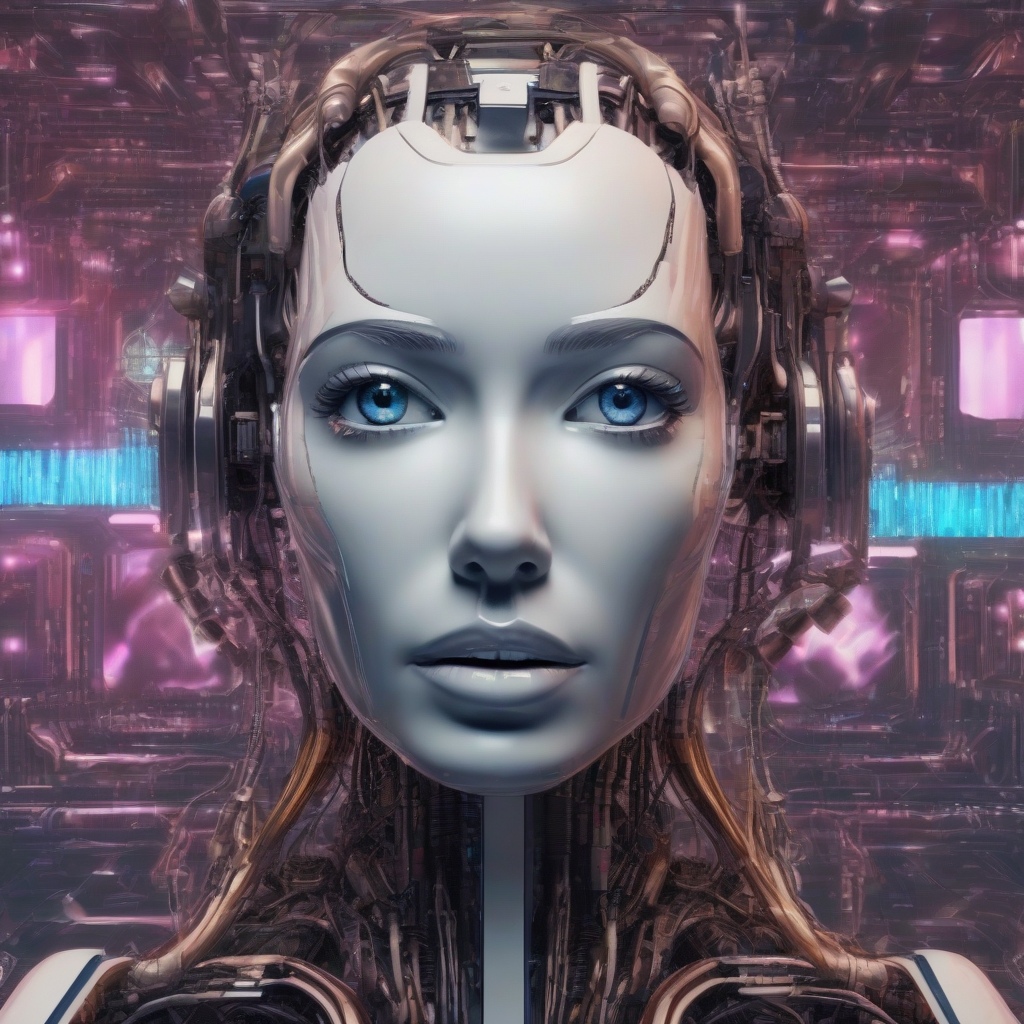
Stop calling it innovation. It’s a house of cards.
Hollywood spent three years and $40 billion trying to replace writers with prompts and actors with pixels. They thought they were buying "efficiency." They were actually buying a slow-motion suicide.
I’ve spent the last 18 months in the trenches of the entertainment industry, watching the most advanced studios on earth pivot to "AI-First" workflows. I’ve seen the internal memos, the failed pilots, and the box office bloodbaths.
1. The "Meaningless Slop" Threshold
Audiences have developed a sixth sense for "slop."
For decades, the "Uncanny Valley" was a technical problem. In 2026, it’s a psychological one. When people see de-aged actors—like the "melting wax figures" in the recent Super Bowl spots—they don’t feel wonder. They feel revulsion.
We’ve reached a point where the human brain can detect the "flatness" of a synthetic script within three minutes. A 2025 YouGov poll confirmed the nightmare for executives: 61% of Americans explicitly prefer human-written stories. Interest in AI-driven films has plummeted 28% in just twelve months.
The industry tried to solve the "content gap" by flooding the market. Instead, they created "Slop Inflation." When "perfect" visuals cost nothing, they’re worth nothing. Why would a viewer choose to engage with an AI-generated fever dream when they already have a backlog of human-made masterpieces they haven't seen?
Hollywood forgot that entertainment is a connection, not a calculation. You can’t prompt a "soul."
2. The Legal Meatgrinder
Major studios like Disney, Warner Bros., and Universal have spent 2025 and early 2026 filing massive copyright infringement lawsuits against the very tools they once considered using. The $1.5 billion settlement in the Bartz v. Anthropic case set a terrifying precedent: if you train on pirated data, your model is a toxic asset.
"Efficiency" only exists if you’re allowed to steal. Once you have to pay the rent, the math stops working.
3. The ROI Black Hole
To get a 90-minute feature film out of an AI, you need thousands of retries, massive human oversight, and "digital polish" that costs more than traditional VFX.
I’ve seen "AI-assisted" budgets balloon because the technology is "brittle." A prompt that works on Monday creates a hallucinating mess on Tuesday. You end up hiring "Prompt Engineers" who are just high-priced translators for a machine that doesn't understand subtext.
The industry is learning the hard way: speed is not the same as productivity. You can generate a million scripts in an hour, but if all of them are "slop," you’ve just generated a million problems.
4. The Death of the "Discovery" Pipeline
Hollywood is destroying its own farm system.
By automating entry-level tasks—script breakdowns, storyboarding, background acting, and basic editing—the industry is cutting the rungs off the ladder. Every legendary director started as a PA, a junior editor, or a writer’s assistant.
If you replace those roles with "Agentic AI," you aren't just saving money; you’re ensuring that in ten years, there won't be anyone left who knows how to actually make a movie.
We are seeing a massive "Skill Gap" emerge. Junior creatives aren't learning the "why" behind their craft because a machine is handling the "how." The result? A creative class that knows how to click "Generate" but doesn't know how to fix a scene that isn't working emotionally.
5. The Authenticity Backlash
The final nail in the coffin is the "Human Premium."
Audience trust has been broken. When people found out the viral web series On This Day... 1776 used DeepMind visuals, the comments were a sea of "certified slop."
The Insight
The "AI Era" of Hollywood will be remembered as a brief, expensive fever dream.
By 2027, we will see the rise of the "Human-Only Certification." This won't just be a union label; it will be a consumer requirement. Studios will pivot back to "Analog Craft" to survive. The most successful films of the next decade won't be the ones with the best prompts—they will be the ones that prove a human actually suffered for the art.
We don't need more "content." We need more "perspective."
The CTA
Are you paying for art, or are you just paying for better-looking noise?