Why Hollywood is failing: 7 terrifying reasons AI deepfakes are destroying the industry
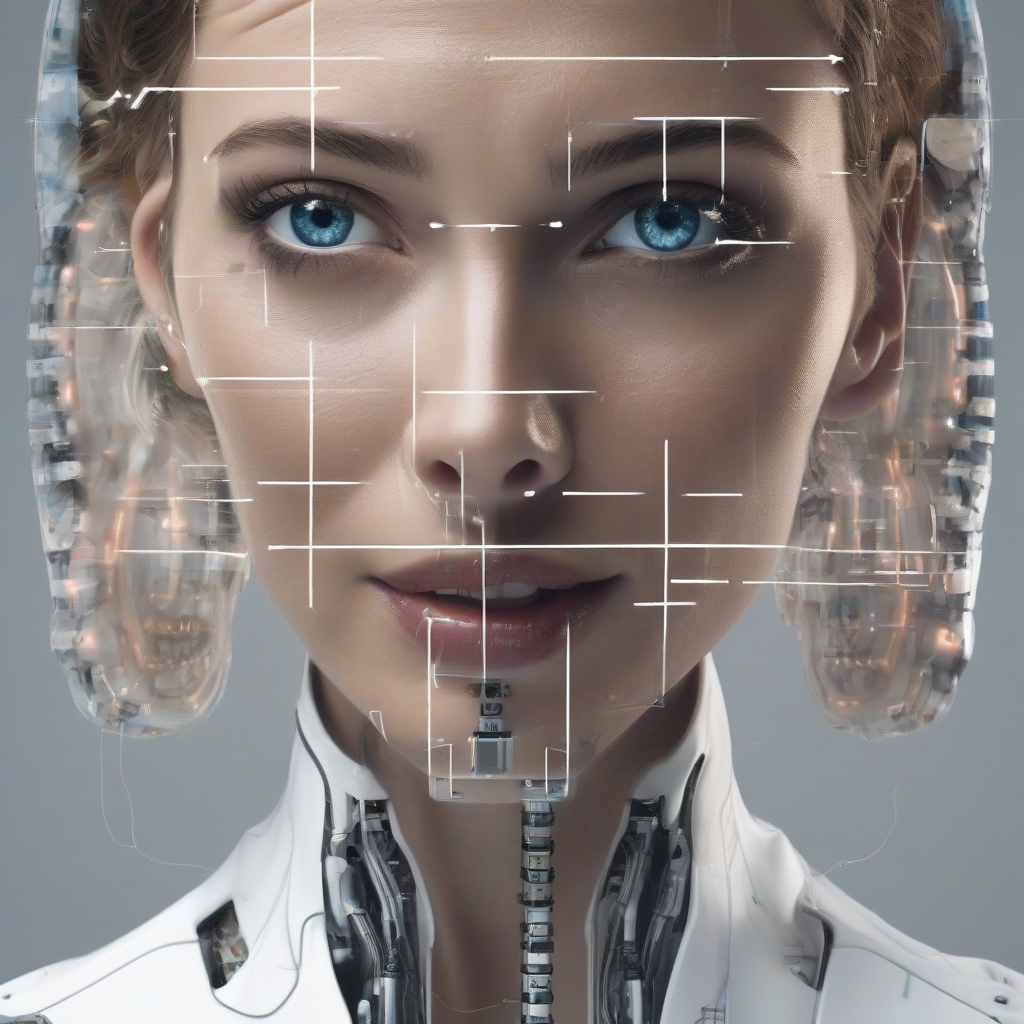
Hollywood is a dead man walking.
The billion-dollar gatekeepers are terrified. They should be. For 100 years, they controlled the lens, the talent, and the distribution. That monopoly just evaporated.
1. The Death of the "Lead Actor" Premium
For decades, Hollywood relied on "Star Power." You paid $20 million for a name because that name guaranteed tickets.
Deepfakes just killed the leverage.
Studios are now obsessed with "Digital Twins." Why pay a temperamental superstar $20 million plus points when you can pay them a one-time fee of $1 million to license their likeness for eternity?
We are entering the era of the "Synthetic Scale." An actor can now be in ten movies at once, in ten different languages, without ever stepping on a set.
But here’s the problem: When everyone is a star, nobody is.
When you can put a digital Tom Cruise in a backyard indie film for the cost of a high-end laptop, the "A-List" prestige vanishes. The scarcity is gone. And without scarcity, the Hollywood economic model collapses.
2. Post-Mortem Exploitation and the "Eternal Franchise"
The most valuable actors in Hollywood aren’t the ones working today. They are the ones in the ground.
Deepfakes allow studios to resurrect James Dean, Carrie Fisher, and Paul Walker with haunting accuracy. This creates a "Zombie Cinema."
Studios are already filing patents for "Digital Estates." They want to own the IP of a human being’s face forever.
Why take a risk on a new, diverse 22-year-old actor when you can just reboot a 1950s icon?
This isn't just nostalgia. It’s a creative blockade. It prevents new talent from ever breaking through because they are competing with the perfected, AI-enhanced ghosts of the past. Hollywood is becoming a museum that refuses to close.
3. The $0 Production Budget is Coming
Traditional CGI is a labor-intensive nightmare. It requires thousands of artists and hundreds of millions of dollars.
Deepfake technology (and its evolution into Sora and Runway) removes the "Artist" from the "Art."
We are moving toward "Prompt-to-Video" pipelines.
Last year, a $200 million Marvel movie looked "fake" because of rushed VFX. Next year, a teenager in a bedroom will generate a 4K photorealistic action sequence for the price of a Midjourney subscription.
When the cost of "Spectacle" hits zero, the big studios lose their only advantage: The Budget.
If a fan-made Star Wars film looks better than the Disney+ version, the brand dies. The barrier to entry is gone, but so is the quality floor.
4. Hyper-Personalized Cinema (The "Me-Movie")
This is the most terrifying shift for the communal experience.
Soon, you won't watch the same movie as your neighbor. You will watch a version of the movie "Deepfaked" for your specific preferences.
Don't like the lead actor? Swap them out for yourself.
Hollywood relies on a "Shared Cultural Moment." We all see the same thing. We all talk about it at the water cooler.
Deepfakes enable a "Feedback Loop of One." When the audience controls the edit, the Director’s Vision is dead. We are moving from "Cinema" to "Interactive Dopamine Delivery Systems."
5. The Intellectual Property Bloodbath
The legal system is not ready for what is coming.
Right now, a kid on TikTok can swap their face onto Leonardo DiCaprio’s body in Titanic and reach 50 million people. This is technically copyright infringement, but it’s happening at a scale that is impossible to police.
The "Deepfake Pirate" is the new Napster.
People are already creating "Grey Market" movies—entire feature films starring celebrities who never signed a contract.
Studios will spend the next decade in courtrooms instead of writers' rooms. They will try to sue the internet into submission. They will fail. The technology is decentralized. You can’t sue an algorithm that everyone has on their phone.
6. The Skill Gap Collapse
It used to take 20 years to master the lighting, the angles, and the "look" of a film.
The "Gatekeepers" of craft—the cinematographers, the makeup artists, the lighting techs—are being bypassed. While this sounds "democratized," it actually leads to a "Visual Sludge."
When the machine handles the aesthetics, everything starts to look the same. The "Uncanny Valley" isn't just about faces anymore; it's about the soul of the story. Hollywood is losing its "Human Texture."
We are trading "Art" for "Perfected Output."
7. The Death of Reality (The Trust Deficit)
This is the final nail.
Hollywood’s greatest trick was making us believe the impossible. We knew it was a movie, but we felt the stakes.
Deepfakes have destroyed our "Visual Trust."
When everything can be faked, nothing feels impressive. The "How did they do that?" factor is gone. The answer is always "AI."
This creates an "Apathy Epidemic." Audiences are already checking out. Box office numbers are cratering because the "Magic" has been replaced by "Math."
If you can't trust your eyes, you stop investing your heart.
The Insight
The industry is looking for a way to "regulate" AI. They are focused on the wrong thing.
Prediction: Within 36 months, we will see the first "Niche-Viral" film—a movie with no human actors, no physical set, and a $0 marketing budget—out-earn a traditional studio blockbuster on a streaming platform.
It will be 100% deepfaked. It will be 100% AI-generated. And the audience won't care.
The "Studio Era" is over. We are entering the "Algorithm Era."
In this new world, the only thing that will matter is the "Prompt." The "Star" is now just a line of code. The "Director" is now just a curator of noise.
Hollywood didn't get disrupted. It got replaced.
The lights are dimming, and for the first time in history, there’s no one in the projection booth.
Do you think a movie can still be "art" if no humans are on screen?