Why Human Creativity Is Failing: 7 Brutal Ways Generative AI Is Killing the Global Entertainment Workforce
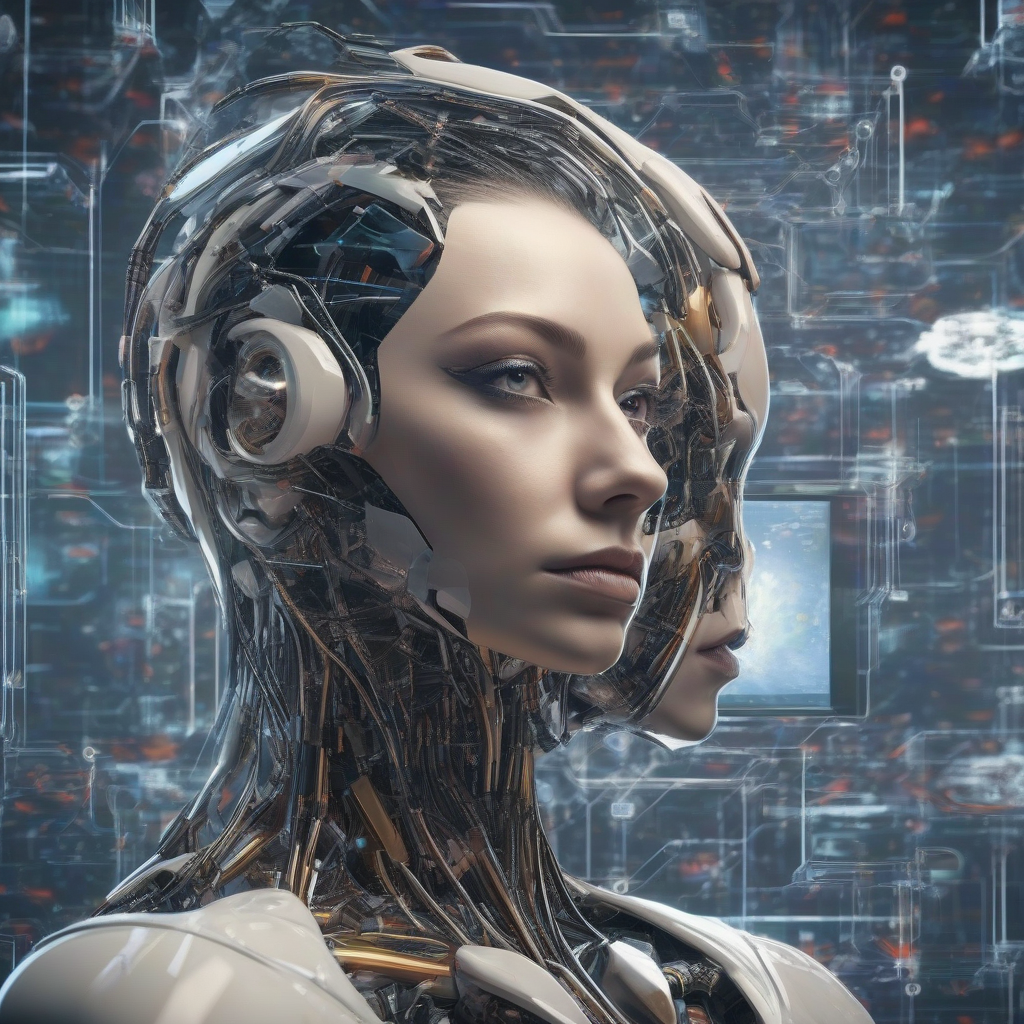
It’s not a tool. It’s a replacement.
I’ve spent the last six months analyzing the shift in Hollywood, the gaming industry, and the global music scene. Here is the brutal truth: the era of "making a living" as a creative generalist is over.
If you think your technical skill is your moat, you’re already underwater.
The Death of the Technical Moat
For decades, the entertainment industry was protected by a high barrier to entry. You had to master Maya for 3D modeling. You had to spend ten years learning how to mix a 64-track orchestral score. You had to understand the physics of light to be a cinematographer.
In 2025, that moat is gone.
OpenAI’s Sora didn't just shock the internet; it effectively deleted the need for 80% of routine B-roll and environmental VFX. When a producer can prompt "A cinematic wide shot of a futuristic Tokyo in the rain" and get 60 seconds of 4K footage in five minutes, they are not hiring a location scout, a lighting crew, or a junior compositor.
The "technical execution" phase of creativity is becoming a "Save As" function.
The most brutal part? It’s hitting the "pretty good" creators first. If you are a "solid" 3D modeler or a "decent" storyboard artist, you are now a commodity with a price tag of $20 a month.
The $800 Million Pause and the Studio Collapse
Look at Tyler Perry.
In 2024, he famously halted an $800 million expansion of his studio in Atlanta after seeing what Sora could do. He didn't stop because he was scared of the tech. He stopped because the math didn't work anymore. Why build physical sets and soundstages when you can generate the entire environment for the cost of electricity?
This isn't just about one studio. It’s about the Infrastructure of Labor.
The gaming industry is feeling the same burn. In 2024, one in ten game developers lost their jobs. Major players like Ubisoft and EA are restructuring not just because of the economy, but because the pipeline is changing.
AI-driven script analysis and data-based greenlighting are replacing the "gut instinct" of creative executives. We are moving toward a world where the script isn't "written"—it is "optimized" to hit specific audience retention metrics.
If a machine can tell a studio that "Plot Point A" will cause a 15% drop in Gen Z viewers, the human writer's "artistic vision" doesn't stand a chance against the spreadsheet.
The Great Creative Bifurcation
We are witnessing the end of the Creative Middle Class.
On the other side, you have the High-End Artisans. These are the "Anti-AI" creators. The Tom Cruises of the world who insist on real stunts and real film. This is the boutique, luxury tier of entertainment where the "human struggle" is part of the marketing.
If you are stuck in the middle—the reliable animator, the session musician, the voice actor doing commercial work—you are standing on a bridge that has already collapsed.
Suno and Udio have already begun replacing the "background music" economy. When a restaurant or a YouTuber needs a "melancholic piano ballad," they don't hire a composer. They type six words into a box. That is $5,000 of human labor deleted in 10 seconds.
The Prediction
By 2027, the "Human-Made" label will be the new Organic.
We will see the rise of a "Human Artistry Premium." High-end audiences will pay 10x more for content that can prove it was made without a GPU. But for the 99% of the global entertainment workforce, this won't matter.
The "adequate" AI-generated content will be so cheap and so fast that the masses won't care who—or what—made it. We are moving from an era of creation to an era of curation.
The workforce isn't being "augmented." It’s being filtered. Only those with extreme taste or extreme technical mastery (the top 1%) will survive as professional creators. Everyone else will become a hobbyist.
Are you building a brand that can survive the "Human Artistry Premium," or are you just a human version of a prompt?
Do you believe the soul of art can survive a world where execution costs zero?