Why Hollywood is Failing: 5 Brutal Reasons AI is Destroying the Future of Human Creativity
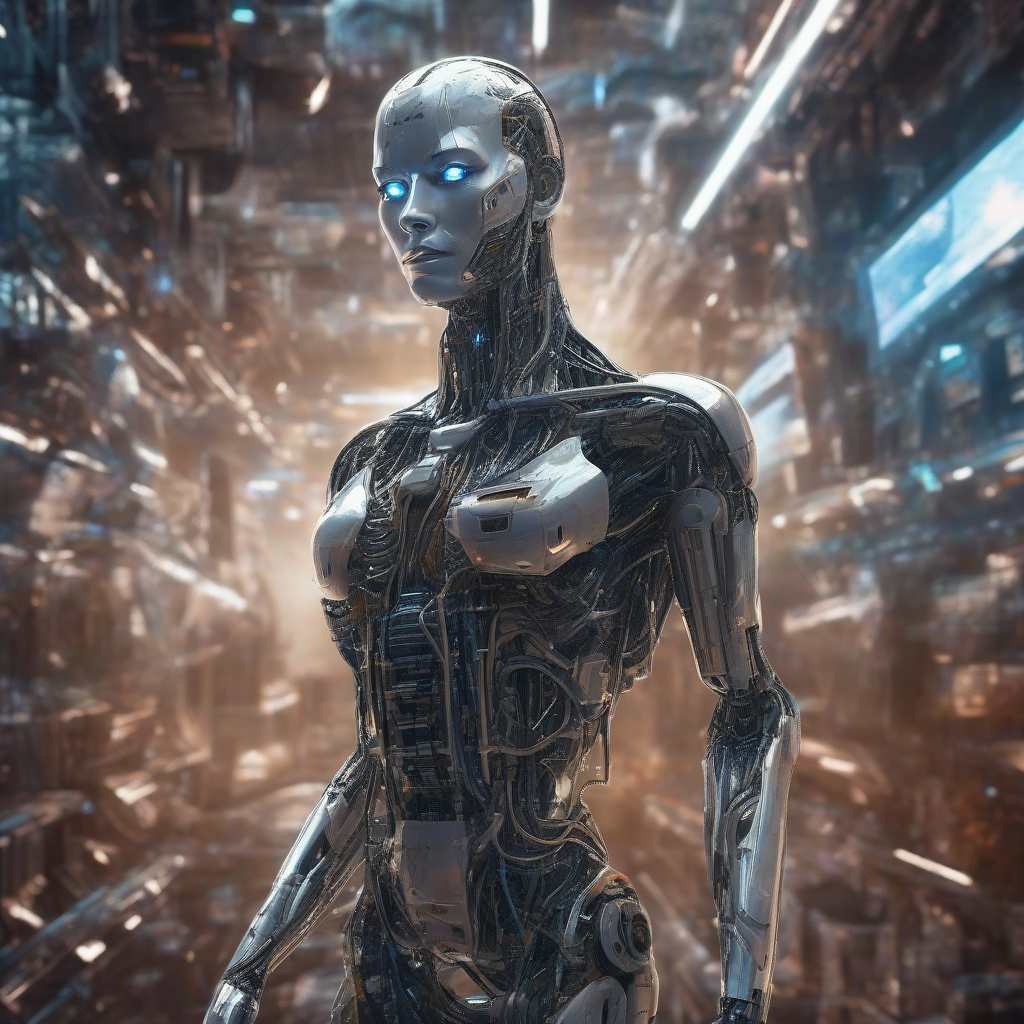
Stop watching the credits. By 2030, there won’t be any left to read.
Hollywood as we know it is dead. The $100 billion moat that protected Tinseltown for a century has evaporated. For decades, the industry relied on a simple formula: massive capital, massive crews, and exclusive access to high-end hardware. That formula is now a liability.
The Death of the Physical Set
Tyler Perry recently halted an $800 million expansion of his Atlanta studio. He saw OpenAI’s Sora and realized the truth. Why spend nearly a billion dollars on concrete and steel when you can generate a high-fidelity mountain range with a text prompt?
The industry is addicted to the "physicality" of film. They think audiences care about the 250,000-gallon water tank James Cameron built for Avatar. They don't. They care about the image on the screen. When a kid in a basement can generate that same image for $0.05, the $100 million soundstage becomes a very expensive museum.
The Algorithm of Average
The Collapse of the $200M Moat
The "Moat" is gone. In the old world, you needed a studio to get a movie made. In the new world, you just need a subscription to a GPU cluster.
The Rise of the Synthetic Star
Meet Tilly Norwood. She’s an AI-generated actress with a growing following. She doesn’t need a trailer. She doesn't have a publicist. She won't age, she won't demand a back-end percentage, and she won't get "canceled" for a tweet from 2012.
The End of the Specialist
A recent study estimated that 204,000 entertainment jobs will be "disrupted" by 2027. That’s a polite way of saying "deleted."
The "Middle Class" of Hollywood is being wiped out. The industry will soon consist of two groups: a tiny elite of "A-List" directors who act as prompt curators, and the algorithms that do the heavy lifting. The craft of filmmaking is being replaced by the "efficiency" of generation. When the craft dies, the soul of the industry follows.
The Insight
We are 24 months away from the first "Personalized Blockbuster."
The "Collective Cultural Moment" is over. We are moving into a siloed, algorithmic hall of mirrors.
Would you rather watch a perfect movie made by a machine, or a flawed movie made by a human?