Why Hollywood is Failing: 5 Ghoulish Reasons AI Digital Resurrection is Destroying Artistic Ethics
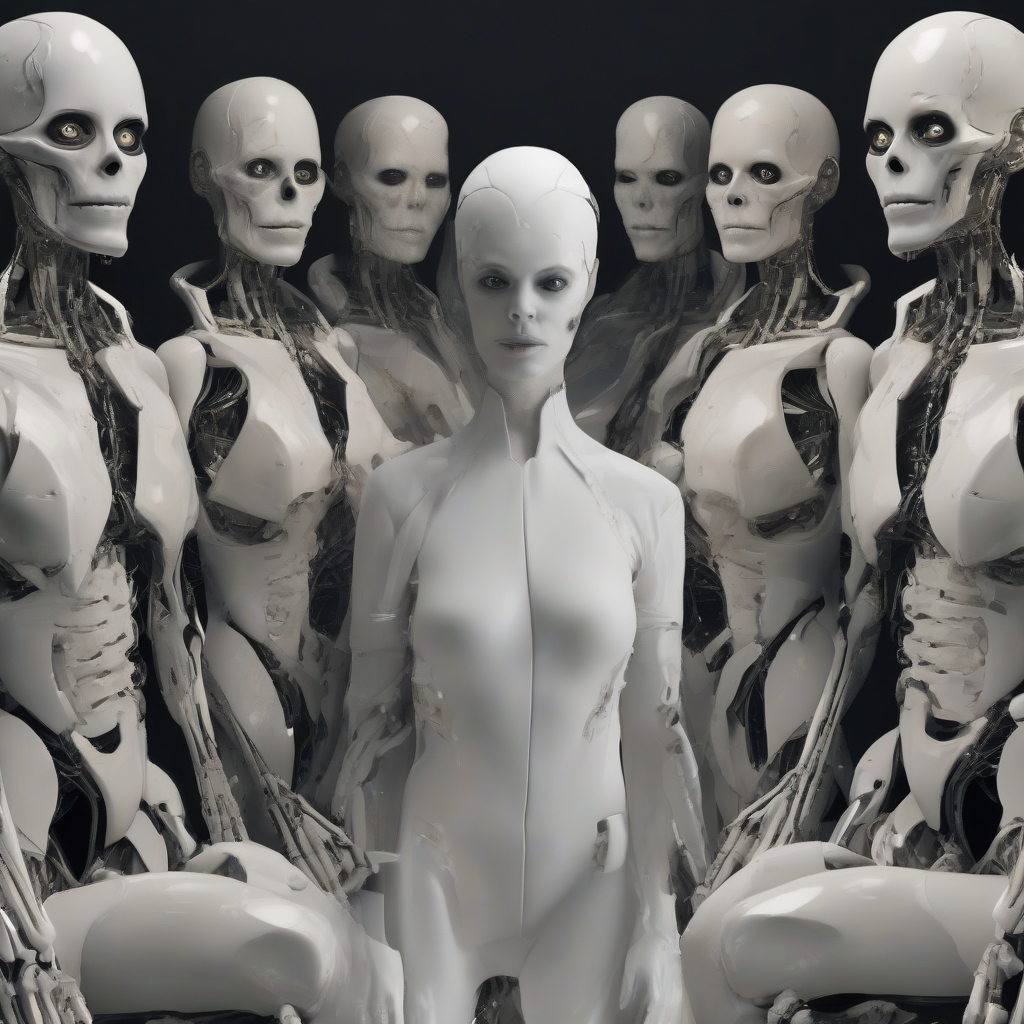
Stop watching dead actors.
You aren't seeing a performance. You’re watching a corporate puppet show with a digital skin.
Hollywood is currently obsessed with "Digital Resurrection." They’re digging up icons like Ian Holm for Alien: Romulus and Peter Cushing for Star Wars because they’re too scared to take a chance on a living human.
1. Consent is a Ghost Story
Ian Holm didn’t sign up for Alien: Romulus. He died in 2020. Yet, his likeness was "reanimated" to play a synthetic officer because the studio wanted a nostalgia hit. The estates often sign off on these deals, but let's be real—an estate is a business, not a person.
The dead can’t say "no" to a bad script. They can’t refuse a political message they would have despised. In the hands of a studio, a deceased legend is no longer a person; they are a file format.
2. The Death of the Next Movie Star
Hollywood is suffering from a "Succession Crisis."
Instead of finding the next James Dean or the next Audrey Hepburn, studios are simply trying to rent the old ones forever. Every time a studio uses a digital replica of a 20th-century icon, they are stealing a job from a 21st-century talent.
Think about it. Why would a studio spend $10 million marketing a new, unproven actor when they can just buy the rights to a digital Paul Newman for a fraction of the cost?
This creates a closed loop of nostalgia. We are stuck in a cultural "Groundhog Day" where the same faces appear on our screens for 100 years. It’s not just uninspired; it’s economic sabotage for the next generation of artists.
If we don't let the old legends rest, we never give new ones the room to breathe. We are effectively freezing culture in the 1990s.
3. Legacy Looting and Brand Dilution
When an actor is alive, they protect their "brand." They turn down projects. They guard their mystery.
Digital resurrection turns a lifetime of artistic integrity into a dataset to be harvested.
Imagine a world where Robin Williams—who explicitly restricted the use of his likeness for 25 years after his death—is suddenly "brought back" to sell insurance or voice a mediocre CGI sidekick.
This isn't just about the "Uncanny Valley" (the creepy feeling you get when a digital face looks almost human). It's about "Legacy Rot." Every time a digital zombie appears in a sub-par movie for a cheap cameo, the original actor’s real body of work is diluted.
We are teaching audiences that actors are just "skins" you can swap out. We are stripping the humanity from the craft.
4. The Rise of the "Post-Mortem Asset" Class
We are entering an era where your face is a stock ticker.
California recently passed bills AB 1836 and AB 2602 to fight this, but the industry is moving faster than the law. SAG-AFTRA is fighting for "informed consent," but how do you get informed consent from a person who passed away in 1975?
The ghoulish reality is that Hollywood is turning human identity into a permanent corporate asset.
Soon, A-list actors won't just sign 3-picture deals. They’ll sign "Infinity Deals" that grant studios the rights to their digital twins for 50 years after they’ve been buried. This transforms the actor from an artist into a perpetual intellectual property.
When your identity becomes a line item on a balance sheet, your artistic ethics disappear. The studio doesn't care about your "process." They care about the ROI on your pixels.
5. The Psychological Toll of the "Digital Afterlife"
The final reason is the most "ghoulish" of all: it breaks the human process of grief.
One of the articles I researched called this trend "Resurrection-As-A-Service." It’s a mockery of the word resurrection.
When we see a digital version of Ian Holm or Carrie Fisher, we aren't experiencing their presence. We are experiencing a simulation of our own memories. It’s a parasitic relationship. Studios are exploiting our grief and our nostalgia to make a quick buck, regardless of how "hollow" the performance feels.
Audiences are starting to feel the "gross factor." On Reddit and film forums, the reaction to Alien: Romulus was clear: the technology is impressive, but the ethics are "vile." We are reaching a point where the CGI is so good that it stops being a "tribute" and starts being "identity theft."
The Insight
Within the next 48 months, we will see the first "Estate Block."
Every major legend—from Tom Cruise to Meryl Streep—will have a "Legacy Guardian" AI. These won't be used to create content. They will be "Counter-AIs" designed to hunt the web and automatically issue takedowns for any unauthorized use of their digital likeness.
The future of Hollywood isn't just about making movies with dead people. It's about a permanent legal war over who owns the rights to a human soul.
Your face is the new oil. And the drilling has already begun.
The CTA
Who is the one actor you think Hollywood should NEVER be allowed to digitally resurrect?