5 Reasons Why AI Likenesses Are Failing Hollywood and Destroying Artistic Ethics
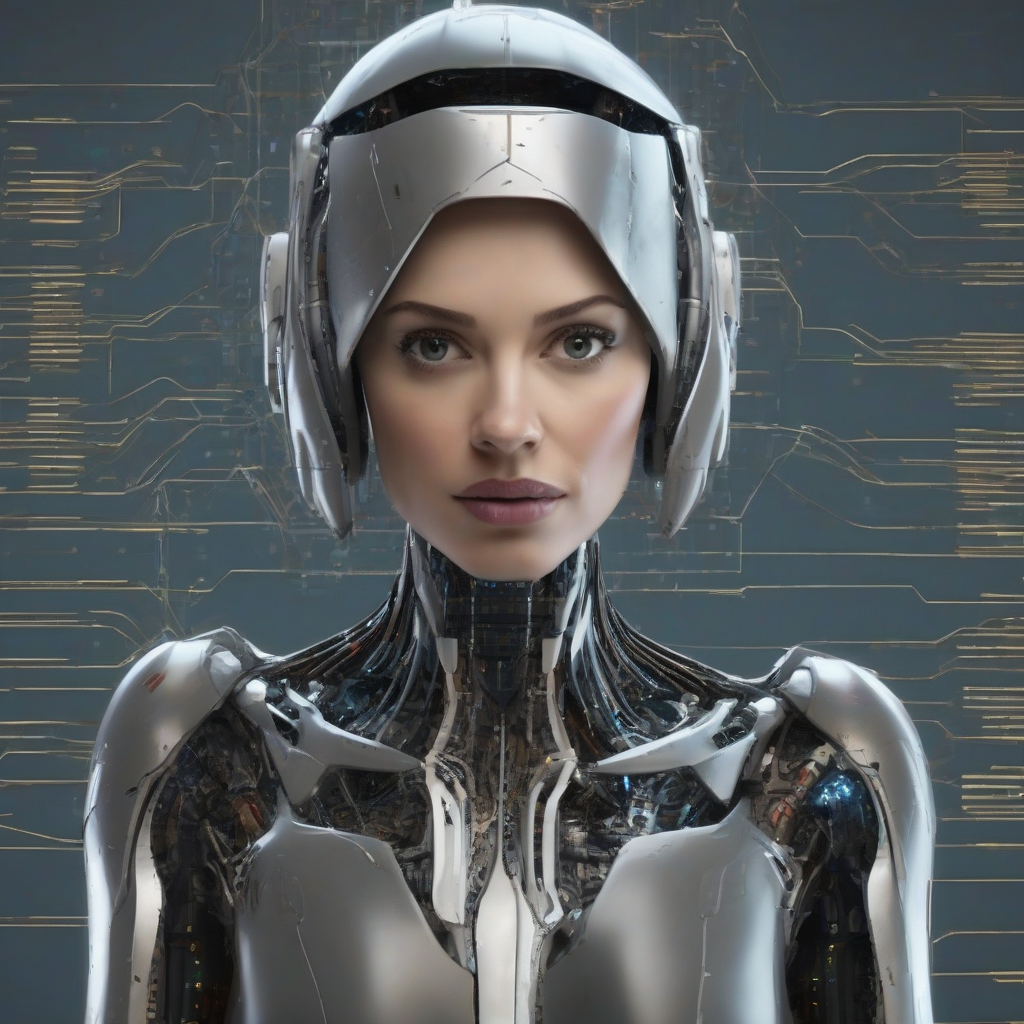
Hollywood is currently committing a slow, high-resolution suicide.
The industry is trading its soul for a line of code. They call it "efficiency." I call it the death of the dream.
We are entering the era of Digital Taxidermy.
I’ve spent the last decade analyzing how technology disrupts media. I’ve watched the shift from film to digital, from theaters to streaming. But this? This is different. This isn't a tool. It's a replacement.
The strike wasn't just about wages. It was about the right to exist.
1. The Charisma Deficit and the Death of the "Spark"
You can’t manufacture a vibe.
Hollywood is obsessed with the "Uncanny Valley." They think if they just get the skin pores right or the eye reflections perfect, we won’t notice. They’re wrong.
Acting isn't just looking like a character. It’s a series of micro-decisions made in the moment. It’s the breath before a line. It’s the slight tremor in a hand that wasn't in the script. It’s the chemistry between two humans in a room.
When a studio uses a digital double, they are removing the risk. But art is risk.
Audiences are smarter than executives think. We don’t just watch movies; we feel them. We can sense the lack of "presence." A digital Harrison Ford might look like the man we loved in 1981, but he doesn't feel like him.
The result? A product that is technically perfect but emotionally hollow.
If the audience doesn’t connect, the franchise dies. You can’t build a legacy on a puppet.
2. The New Feudalism: Ownership of the Self
We are witnessing the birth of a new kind of slavery.
Contracts are now being written that demand the rights to an actor’s likeness "in perpetuity, throughout the universe, in any medium now known or hereafter devised."
Think about that.
A 20-year-old actor signs a deal for a minor role in a superhero movie. They get paid a few thousand dollars. In exchange, the studio owns their face forever.
Fast forward thirty years. That actor is now a superstar. Or perhaps they’ve retired. It doesn't matter. The studio can put their face in a perfume ad, a political propaganda film, or a low-rent action flick without their consent.
This destroys the "Brand of One."
In the old Hollywood, your face was your fortune. You controlled where it appeared. You curated your career.
Now? You are just a data set. You are an asset on a balance sheet.
This isn't just an "artistic" problem. It’s a human rights crisis. When you lose the right to your own image, you lose the right to your identity.
3. The Death of the Discovery Pipeline
Why hire the next Meryl Streep when you can just license the digital rights to a 30-year-old Meryl Streep forever?
This is the "Legacy Trap."
But this creates a closed loop.
If every lead role is filled by a digital ghost or a de-aged icon, there is no room for new talent. The "stars" of 2050 will just be the AI-generated avatars of the stars of 1990.
This is cultural stagnation.
No new stars means no new fans. No new fans means the eventual death of the medium.
4. The Erosion of Consent and the Ethics of the Grave
Using the likeness of a deceased actor is the ultimate act of artistic grave robbing.
We’ve seen it already. Digital resurrections of stars who died decades ago. The studios claim it’s a "tribute." It’s not. It’s a cash grab.
An actor’s work is a reflection of their choices. When they die, their ability to make those choices ends. Using their face to perform actions or say lines they never agreed to is a betrayal of their craft.
It’s also a slippery slope.
If we can resurrect a dead actor for a movie, what stops us from using them for a deepfake pornographic video? What stops a political party from using a dead icon to endorse a candidate?
The technology has outpaced the law.
We are living in a Wild West where "likeness" is treated as a commodity, not a personality.
If we don't establish a hard line—that consent ends at the grave and that living actors must have total control over their digital twins—we are inviting a future where nobody owns themselves.
5. The Content Glut and the Collapse of Value
When everyone can be a star, no one is.
Imagine a world where you can order a movie tailored specifically to you. "Give me a rom-com starring a young Tom Cruise and a 1950s Audrey Hepburn, set on Mars."
At first, this seems cool. Then, it becomes exhausting. Then, it becomes worthless.
Value is driven by scarcity. The reason we care about a performance is because it is a unique moment in time. A human being gave us their best.
When content is infinite and "likenesses" are just interchangeable skins, the emotional stakes disappear.
We will stop seeing actors as artists and start seeing them as filters.
The "Magic of the Movies" will be replaced by the "Boredom of the Algorithm."
Hollywood is currently building a machine that will make its own existence irrelevant. If the audience can generate their own "star-studded" content at home for $10 a month, why would they ever pay for a movie ticket?
The Insight
We are heading toward a "Great Bifurcation" in entertainment.
Within the next 5 years, we will see the rise of the "Human-Only" (HO) certification.
Much like "Organic" or "Non-GMO" labels in the food industry, movies will be marketed based on their lack of synthetic elements. "100% Human Cast. No Digital Likenesses used."
This will become a premium tier.
The masses will consume cheap, AI-generated slop on social media. But the prestige market—the awards, the critics, the true fans—will pivot back to the "Physical."
We will see a massive resurgence in theater, live performance, and raw, unedited filmmaking. The more digital our world becomes, the more we will crave the grit of reality.
Likeness is not a soul. And in the end, the soul is the only thing people actually pay for.
The CTA
Would you pay $20 to see a movie starring a digital ghost, or is the "human spark" the only reason you watch?