Why Hollywood is Failing: 3 Brutal Ways AI-Generated Content is Killing Artistic Integrity and Stealing Your Favorite Movies
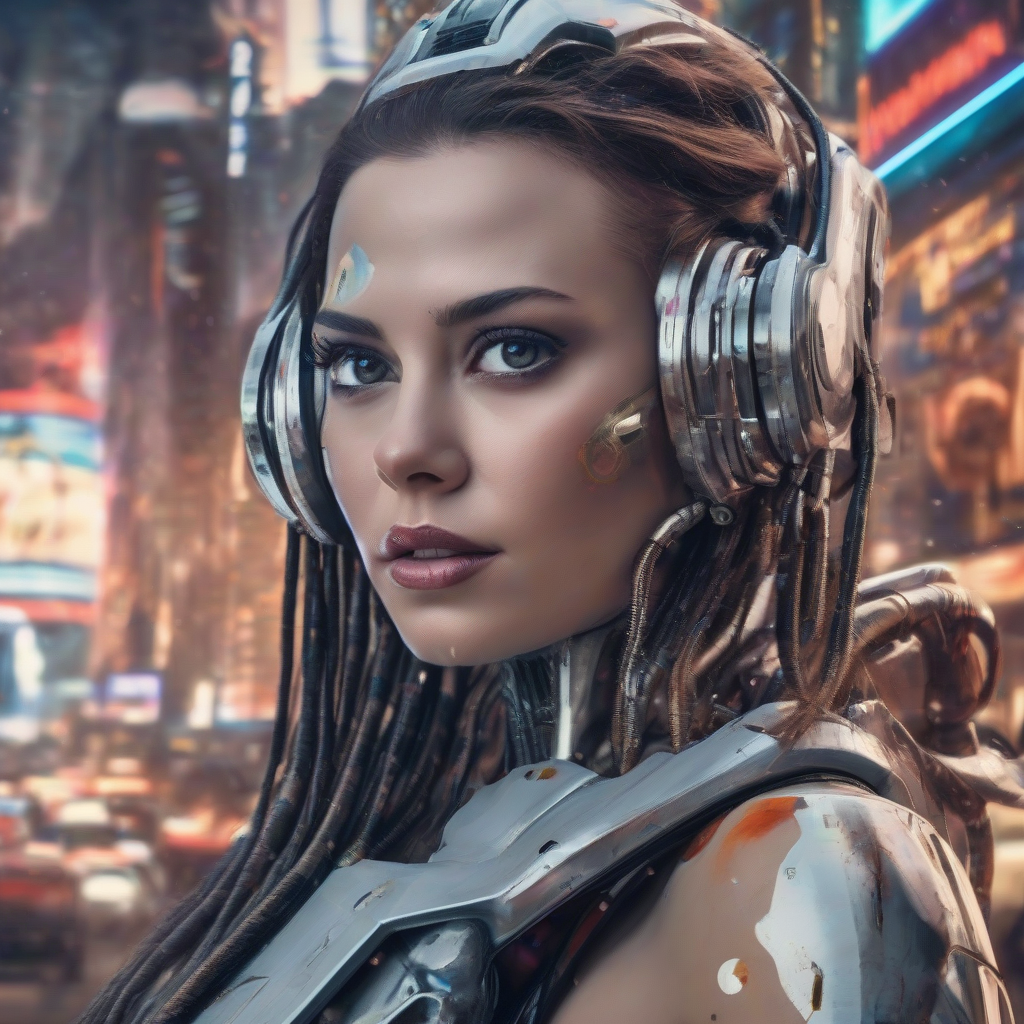
Hollywood isn’t dying—it’s being recycled by a GPU.
We are witnessing the final days of the "Auteur." The era of the visionary director is being smothered by the efficiency of the algorithm. We traded the soul of cinema for the convenience of "content."
The industry is obsessed with "optimizing" the creative process. They want to remove the risk. They want to remove the cost. In doing so, they are removing the humanity.
Here are the 3 brutal ways AI-generated content is killing artistic integrity and why your favorite movies are about to become unrecognizable.
1. The Death of the "Beautiful Mistake"
Art is defined by its flaws.
Think about the greatest moments in cinematic history. Harrison Ford ad-libbing "I know" in The Empire Strikes Back. The raw, unpolished grit of 1970s New York in Taxi Driver. The way a hand trembles in a close-up when an actor feels a genuine emotion the director didn't script.
AI-generated scripts and visuals are built on a foundation of "The Mean." The software analyzes 50,000 successful screenplays and spits out the most statistically probable dialogue. It’s the ultimate feedback loop of mediocrity.
When you remove the friction of human error, you remove the texture of the story. You get a product that is mathematically perfect but emotionally vacant. It’s the difference between a home-cooked meal and a meal replacement shake. One nourishes the soul; the other just hits your macros.
Hollywood is currently building a "Symmetry Engine." They are training models to ensure every frame is balanced, every joke lands at the 12-minute mark, and every emotional beat is engineered for maximum "engagement."
2. The Infinite Sequel Glitch
Originality is expensive. Familiarity is cheap.
We are moving from a "Hit-Driven" industry to a "Derivative-Driven" industry.
- [Protagonist: Grumpy]
- [Setting: Cyberpunk]
- [Third Act: Sky Beam]
The result? The "Content Soup."
3. The Devaluation of the Craftsman
The "Prompt" is not a "Vision."
There is a growing delusion that "Prompt Engineering" is the new Directing. It isn't. Directing is the art of managing human chaos. It’s communicating a feeling to a lighting technician, an actor, and a set designer until they all see the same invisible dream.
This isn't just about jobs. It’s about the loss of the "Human Touchstone."
Every great movie is a miracle of logistics. It is thousands of people working at the edge of their capabilities to make something impossible. You can feel that effort on the screen. You can feel the sweat, the tension, and the passion.
Because it’s easy to make, it’s easy to discard. When a movie costs nothing but a few kilowatt-hours to generate, it loses its value. We are flooding the market with "High-Fidelity Trash."
If everyone is a director, then no one is a director. If everything is "content," then nothing is art. The elite skill of storytelling—the ability to reach into the human experience and pull out something universal—is being replaced by a slot machine that pays out in pixels.
The Prediction
In the next 36 months, we will see the rise of the "Authenticity Premium."
As the internet becomes saturated with AI-generated "slop," the value of verified human creation will skyrocket. "Human-Made" will become a luxury branding, much like "Organic" or "Hand-Crafted."
Audiences will grow tired of the sterile, perfect, algorithmic gloss. They will crave the raw, the messy, and the analog. We will see a counter-culture movement of filmmakers who refuse to use AI, shooting on 35mm film, and prioritizing physical effects.
However, the "Big Six" studios will not participate. They will lean into the AI. They will create "Personalized Cinema"—movies that change their ending based on your viewing history. They will turn movies into video games that you don't even have to play.
The theater will become a place for the "Human Experience," while the home screen becomes a delivery system for "Algorithmic Comfort."
Hollywood isn't failing because it lacks technology. It's failing because it has lost its nerve. It is choosing the safety of the machine over the danger of the imagination.
And the machine can only give you what you’ve already seen.
The Question
Would you rather watch a "perfect" movie written by a machine, or a "flawed" movie written by a human?