7 Reasons Why Hollywood’s AI Resurrection of Dead Stars Is Failing Fans Everywhere
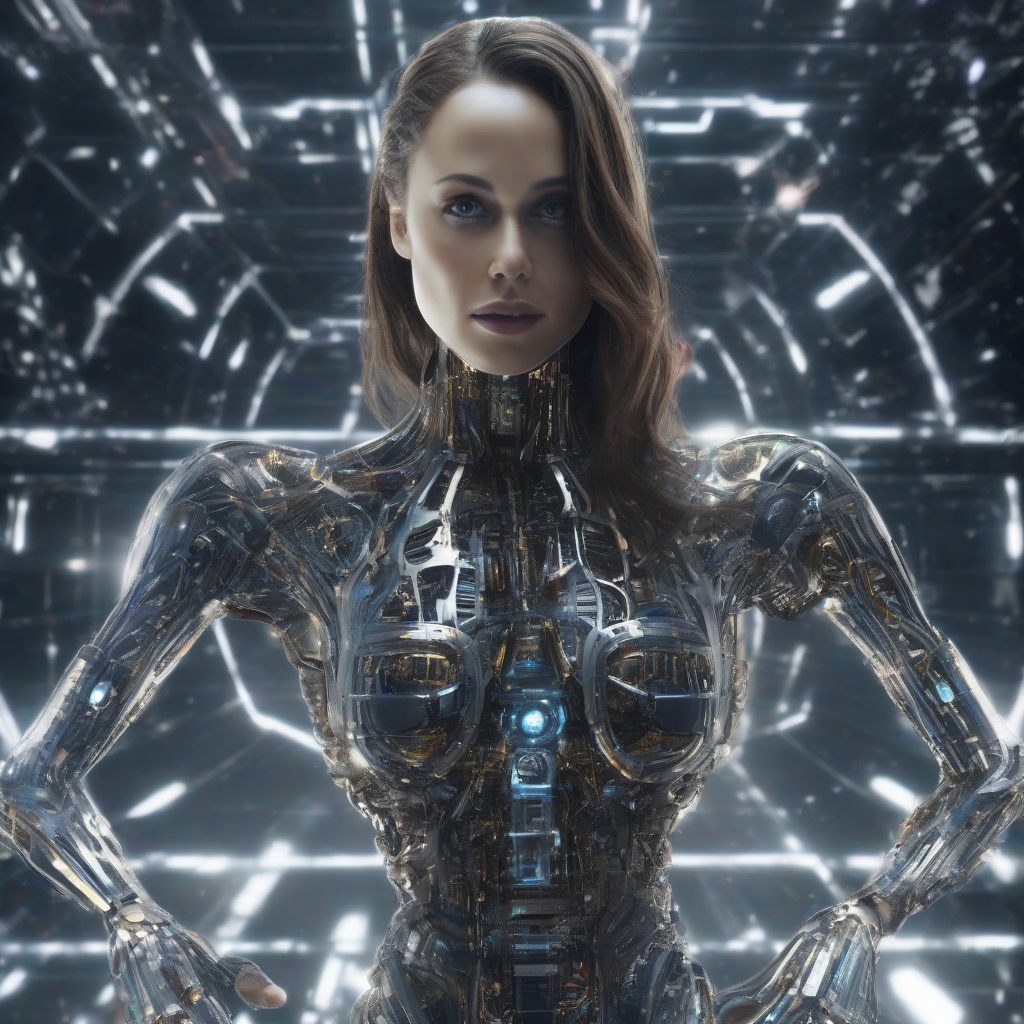
Hollywood is digging up graves to save a dying business model.
We’ve reached the "Necromancy Era" of filmmaking. Studios aren’t looking for the next Marlon Brando. They’re just trying to figure out how to rent the old one.
I’ve spent the last decade tracking digital trends and audience sentiment. Here is the reality: Fans don't want digital ghosts. They want human connection.
The "AI Resurrection" is a pivot born out of fear, not creativity. It’s a desperate attempt to manufacture certainty in an uncertain market.
Here are the 7 reasons why this trend is failing, and why your favorite dead stars should stay off the screen.
The Aesthetic Horror of the Uncanny Valley
The technology is impressive on paper. It is a disaster on screen.
Human beings are hardwired to detect microscopic inconsistencies in facial movement. We call it the Uncanny Valley. When a digital puppet of Peter Cushing or Ian Holm appears, our brains don't see a character. They see a "glitch."
The eyes are the problem. You can map the skin. You can simulate the pores. You can’t simulate the "light" behind the iris.
AI-generated faces look like they are wearing a mask of themselves. The movements are too smooth. The blinks are too calculated. It creates a subconscious "repulsion" effect. Instead of being immersed in the story, the audience is playing a game of "Spot the CGI."
When the audience is thinking about the software, the movie has already lost.
The Death of Spontaneity and the "Soul"
Acting isn’t about hitting marks. It’s about the spaces between the lines.
Great acting is reactive. It’s a shimmer of sweat. A voice crack. A decision made in the micro-second between two actors in a room.
When you remove the "living" element, you remove the soul of the performance. We are replacing "acting" with "asset management."
The Stagnation of the Next Generation
Hollywood has a "New Star" problem. This is why.
If a studio can simply "rent" the likeness of a 1950s icon, why would they take a risk on a 22-year-old unknown from Ohio?
We are creating a talent bottleneck. We are telling young actors that they aren’t just competing with their peers—they are competing with the entire history of cinema.
This is a creative death spiral. If we don't build new icons today, we will have nothing left to "resurrect" in 40 years. We are cannibalizing the future to pay for the past.
Legacy should be a foundation, not a ceiling. Right now, it’s a cage.
The "Permission vs. Consent" Ethical Gap
Legal rights are not the same as moral consent.
An estate signing a contract is a business transaction. It is not the artist’s blessing.
Fans feel this disconnect. It feels parasitic. It feels like we are watching a digital puppet show performed with a corpse.
The audience is becoming increasingly "ethics-conscious." They want to know the artist was a willing participant. Without that, the performance feels like a violation.
The Diminishing Returns of Nostalgia
Nostalgia is a high-octane fuel, but the tank is almost empty.
The first time we saw a de-aged character, it was a miracle. The tenth time, it was a gimmick. The twentieth time, it’s a chore.
Studios think they are giving fans what they want. They aren't. They are giving fans what they used to want.
True fandom is built on growth and new discovery. When you keep hitting the "Nostalgia Button," the dopamine hit gets weaker every time. We are reaching "Nostalgia Fatigue."
Fans want to be surprised. You can’t surprise an audience with a face they’ve seen for fifty years.
The Financial Logic is Flawed
High-end digital resurrection is expensive. Extremely expensive.
The post-production costs for a digital lead can rival the salary of an actual A-list star.
Studios are spending millions to avoid "talent risk," only to create "technical risk." If the CGI looks bad (and it often does), the entire brand of the film is damaged.
It’s a bad ROI. You’re paying more for a fake human that people find creepy than you would for a real human that people could fall in love with.
It’s a corporate hedge that ignores the fundamental nature of the product: Emotion.
The Erasure of the "Moment"
Great art is a snapshot of a specific time.
The beauty of a star’s career is its arc. They are young, they age, they evolve, and eventually, they leave the stage.
By forcing stars to stay forever young (or forever present), we are erasing the "moment." We are turning cinema into a static museum.
Death and retirement give a career meaning. They make the work precious. When everyone is "available" forever, no one is special.
We are turning legends into "skins" for a video game. It’s the ultimate disrespect to the craft.
The Insight
The industry is about to hit a "Digital Backlash" wall.
Within the next 36 months, we will see the rise of the "Human-Centric" label.
Films will begin to market themselves on the fact that they didn't use AI. "100% Organic Performances" will become a premium selling point, similar to "No CGI" or "Shot on Film."
The "AI Star" will be relegated to background extras and low-budget digital content. The "A-List" will become a protected class of verified biological humans.
The pendulum has swung too far into the machine. It is about to swing back to the blood, sweat, and tears of the actor.
The CTA
Would you pay $20 to watch a movie starring a 100% digital version of your favorite dead actor?