Why Modern Love is Failing: 5 Brutal Reasons Dating Apps Destroyed Long-Term Commitment
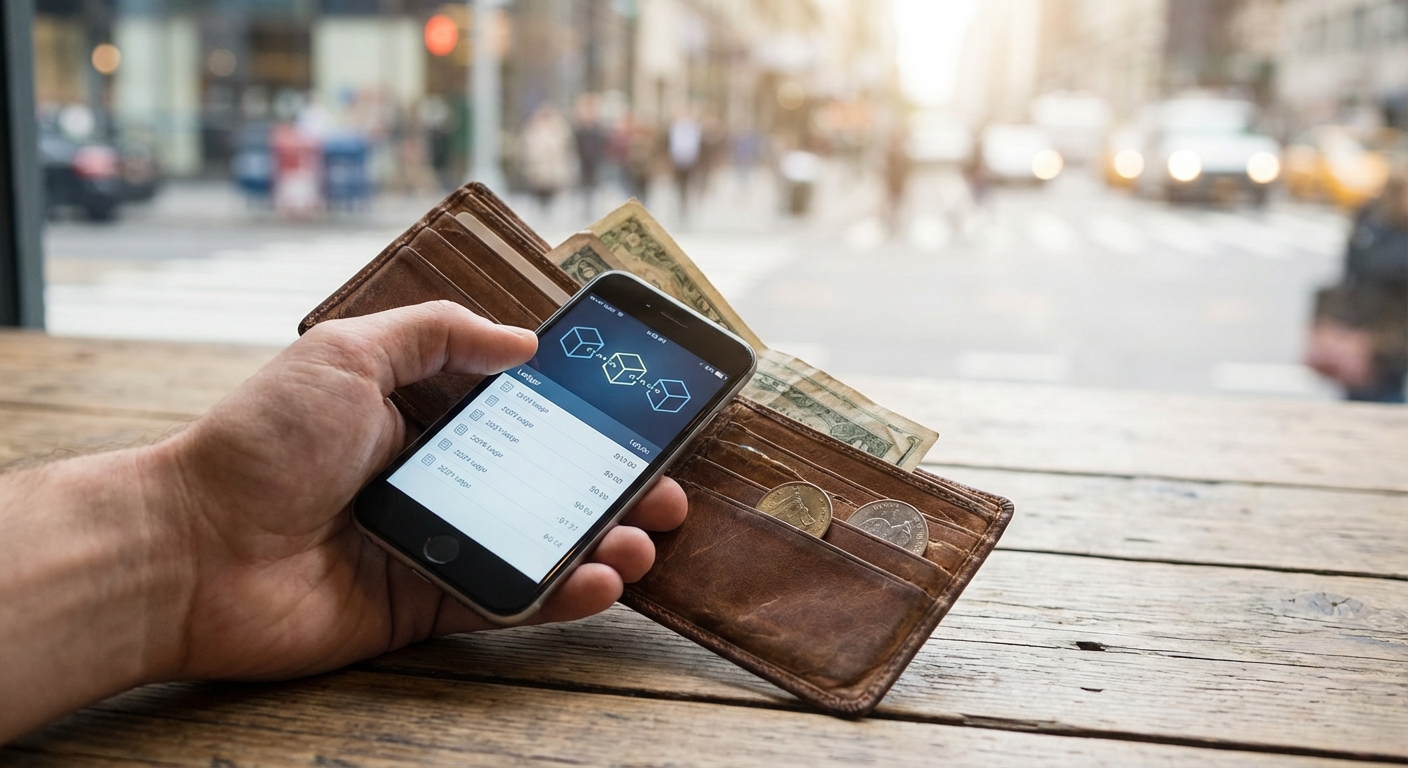
Modern love didn’t die of natural causes. It was murdered by a user interface.
I’ve analyzed the data from 2024 and the emerging trends for 2026. The verdict is in.
1. The Paradox of Infinite Supply
The human brain is not evolved to choose from 5,000 people. It is evolved to choose from 50.
In the pre-digital era, you met someone at a party or through a friend. They were "The One" because they were the best of the available options. Today, "The One" is always the person you haven’t swiped on yet.
This is the Paradox of Choice. When you have three options, you choose. When you have 3,000, you analyze. You look for the "perfect" match—the one who checks 100% of your arbitrary boxes.
But perfection doesn't exist. So, the moment your current partner shows a flaw—they chew too loud, they don't like your favorite movie, they have a "bad" text style—you don’t fix the relationship. You return the product.
You think: “Why should I work on this when a 100% match is waiting five miles away?”
Recent data shows the "rejection mindset" is real. The likelihood of a user accepting a match declines by 27% from the first profile they see to the last in a single session. We aren't looking for reasons to say "Yes." We are hunting for reasons to say "No."
2. The Gamification of Human Connection
The business model of Tinder or Bumble is not to find you a wife. If you find a wife, you delete the app. If you delete the app, they lose a customer. Their goal is to keep you swiping.
They use the same psychological triggers as Las Vegas casinos. Variable reward schedules. Bright colors. "You have a new match" notifications that trigger a dopamine hit equivalent to a line of cocaine.
We have turned dating into a mobile game. We aren't connecting with humans; we are collecting "matches" like Pokémon. This creates a "disposable culture."
When someone is just a digital avatar on a screen, they aren't real. Their feelings aren't real. This is why ghosting has become the default rejection strategy. It’s easier to delete a conversation than to have a difficult one.
We have traded the depth of commitment for the shallow thrill of the "ding."
3. The Death of Social Vetting
In the past, relationships had "Social Capital."
If you met someone through a mutual friend, there was a built-in vetting process. If you treated them poorly, your social circle knew. There was accountability.
Without social vetting, trust is dead on arrival. We start every interaction with a "fraud detection" mindset. You aren't falling in love; you’re performing a background check. This skepticism is the poison that kills long-term intimacy before the second date.
4. The Commodification of Intimacy
We have turned dating into a marketplace.
Profiles are ads. Photos are airbrushed. Bios are copy-pasted from "Top 10 Hinge Prompts" articles. We are no longer people; we are "value propositions."
This marketplace logic is brutal for commitment. In a marketplace, everything is replaceable. If your car breaks, you buy a new one. If your partner "underperforms," you swipe for an upgrade.
We have lost the ability to value a person for their soul. Instead, we value them for their stats.
- Height.
- Income.
- Vacation photos.
- Aesthetic.
5. The Conflict Resolution Collapse
Long-term commitment is built on one thing: surviving conflict.
The "Easy Out" is always in your pocket. At the first sign of friction, we retreat into the digital safety of the app. We seek the "New Relationship Energy" (NRE) of a fresh match rather than doing the hard work of repairing an existing connection.
We are becoming "emotionally brittle." We have the vocabulary of therapy—we talk about "red flags" and "attachment styles"—but we lack the stamina for actual vulnerability.
We would rather be "right" and single than "wrong" and in love.
The Brutal Insight: The Great Relocation
By 2027, the "Swipe Era" will officially collapse.
We are already seeing the "Dating App Bust." Hundreds of thousands of users are leaving the platforms every month. 78% of users report total burnout.
The next big trend isn't an "AI Matchmaker." It’s a return to Social Vetting 2.0.
We will see a massive rise in "Offline-First" communities. Run clubs, bookshops, and members-only social groups will become the new "premium" dating experience. People are willing to pay more to meet someone in person than they are to swipe for free.
The future of love isn't an algorithm. It’s an introduction.
If you want a relationship that lasts, you have to leave the digital casino. You have to trade the illusion of infinite choice for the reality of one imperfect person.
Are you ready to delete the apps, or are you still addicted to the "New Match" dopamine?