Why Blake Lively Is Failing: 3 Red Flags Behind the Cast Feud
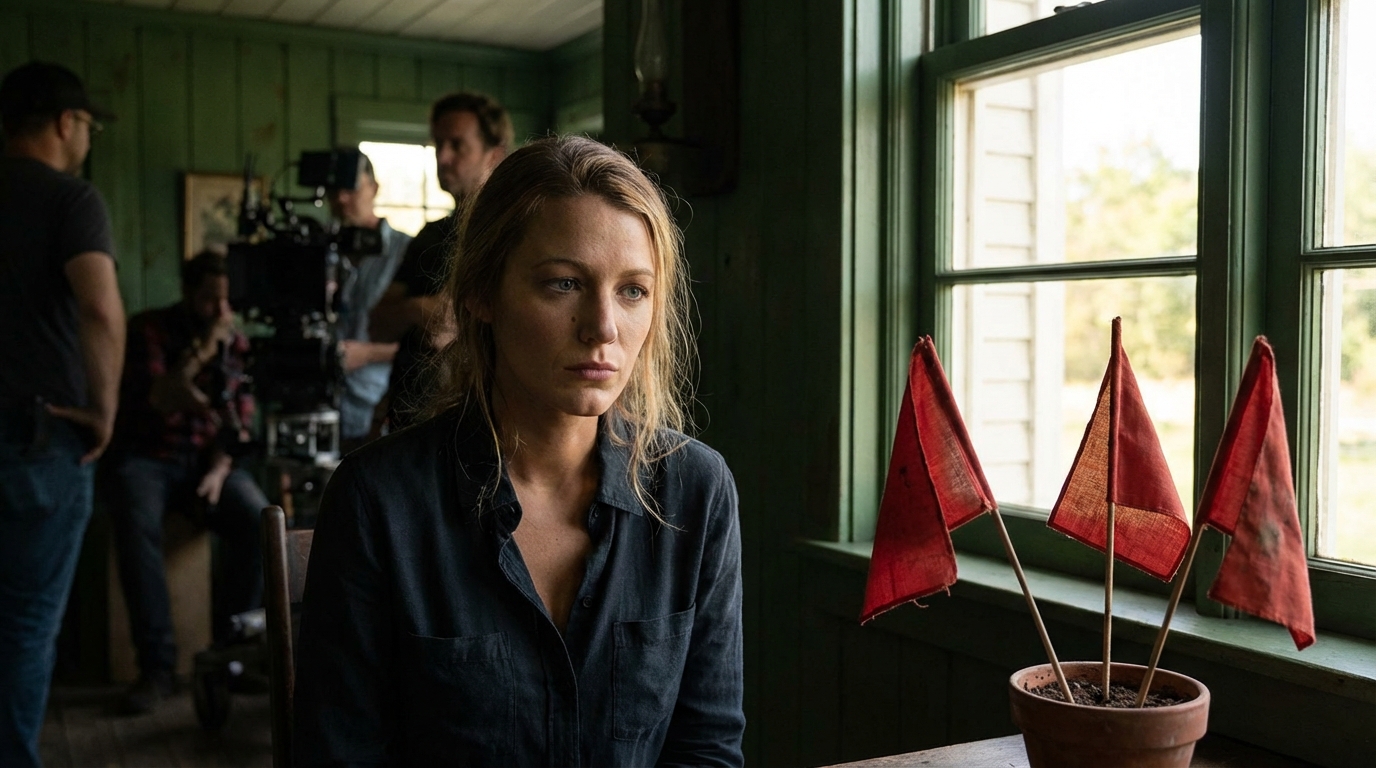
Blake Lively isn’t a movie star anymore. She is a lifestyle brand that lost its filter.
For a decade, Blake was untouchable. She was the Met Gala’s final boss. She was the "relatable" A-lister with the funny husband. Then she released It Ends With Us.
The movie is a box office hit. The PR campaign is a disaster.
I’ve watched celebrity brand cycles for twelve years. I’ve seen stars survive scandals, divorces, and box office bombs. But what Blake is doing right now is different. She isn't just making a mistake. She is breaking the fundamental rules of modern fame.
Here are the 3 red flags behind the feud—and why the Lively era is hitting a wall.
1. The "Barbie" Playbook is Broken
Margot Robbie changed the game. She turned the Barbie press tour into a global fashion event. It was brilliant. It was immersive. It was fun.
Blake Lively tried to copy the homework. She wore florals for months. She told fans to "grab your friends and wear your florals" to the theater.
There is one problem. Barbie is about a doll. It Ends With Us is about domestic violence.
You cannot market a story about a woman escaping an abusive cycle like it is a brunch invitation. Blake treated a trauma narrative like a Pinterest board.
When you prioritize "the look" over the substance of the story, you alienate your audience. You look out of touch. You look like you didn't read the script.
The internet has a low tolerance for tone-deafness in 2024. Blake thought she was being iconic. The audience thought she was being insensitive.
If you want to be a serious actress, you have to respect the material. If you treat a tragedy like a trend, the fans will treat you like a villain.
2. Main Character Syndrome is Lethal
The rumors are loud. Blake reportedly took over the edit. She brought in her own editor. She supposedly had her husband, Ryan Reynolds, rewrite key scenes.
On the other side, you have Justin Baldoni. The director. The man who actually bought the rights to the book.
In every interview, Baldoni talks about the survivors. He talks about the mission. He looks exhausted.
In every interview, Blake talks about herself. She talks about the flowers. She talks about the outfits.
This is a classic power struggle. But in the court of public opinion, the winner is usually the person who makes it about others.
Blake is suffering from "Main Character Syndrome." When you reach a certain level of fame, you stop hearing "no." You start believing that your vision is the only vision.
The "Mean Girl" narrative is sticking because Blake is acting like the movie belongs to her closet, not the fans.
Production friction is normal. Publicly icing out your director during a press tour is a choice. It’s a choice that says: "I am bigger than the project."
Hollywood is a small town. People remember how you treat the people behind the camera. When the mask slips, the fall is fast.
3. The Monetization of Trauma
This is the biggest red flag.
During the press tour for a movie about domestic abuse, Blake launched a hair care line. She promoted her drink brand, Betty Buzz.
She used the platform of a sensitive film to sell shampoo and soda.
It feels transactional. It feels cold.
The modern consumer wants authenticity. They want to know that you care about the thing you are selling.
When you sandwich a domestic violence awareness message between two product placements, you lose the message. You become a walking commercial.
Blake is trying to be Martha Stewart and Meryl Streep at the same time.
Martha Stewart sells the lifestyle. Meryl Streep sells the craft.
You cannot do both simultaneously when the craft involves heavy, emotional subject matter. It creates cognitive dissonance. The audience doesn't know whether to cry or buy a cocktail mixer.
She chose the mixer. The fans noticed.
The Insight: The "Girlboss" Era is Dead
Everyone is missing the real story.
This isn't just about a movie feud. This is the final nail in the coffin of the 2010s "Girlboss."
For years, we praised the celebrity who "did it all." The woman who was the star, the producer, the entrepreneur, and the style icon.
We don't want that anymore.
We are in the era of the "Humanized Star." We want Zendaya’s professionalism. We want Ayo Edebiri’s humility. We want stars who realize they are part of a team, not the center of a cult.
Blake Lively is the last relic of an era where being "perfect" was the goal.
The feud with Justin Baldoni isn't about creative differences. It’s about a clash of eras. Baldoni is playing the 2024 game: Vulnerability, mission, and message. Blake is playing the 2014 game: Glamour, control, and branding.
2014 isn't coming back.
Blake Lively is failing because she refused to evolve. She thought her charm could bypass the need for empathy. She thought her brand was bigger than the story.
She was wrong.
The Met Gala can't save you when the audience thinks you’re the villain.
Is Blake Lively actually the "mean girl," or is she just a brand that stayed in the sun too long?