Why the Cringe 'Dune 2' Popcorn Bucket Proves Modern Movie Marketing is Failing
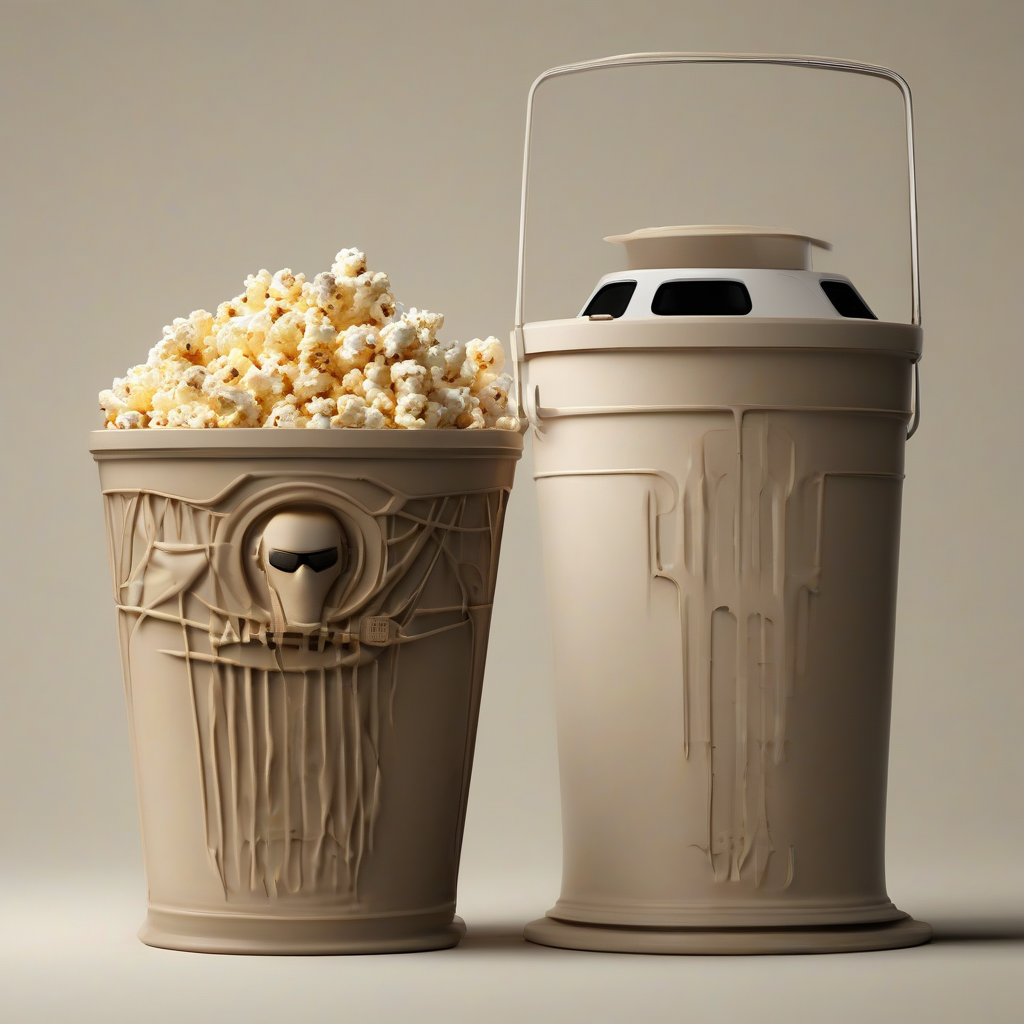
The cinema is dead. Long live the plastic bucket.
Last year, Denis Villeneuve gave us a $190 million sci-fi masterpiece. A sprawling epic about destiny, religion, and the fate of a galaxy.
But you didn't talk about the cinematography. You didn't talk about the Hans Zimmer score.
You talked about a $25 piece of plastic that looked like a sex toy.
The Dune: Part Two "sandworm" popcorn bucket wasn’t a marketing mistake. It was a symptom of a terminal illness in Hollywood.
Modern movie marketing is no longer about the movie. It’s about the meme. And that’s exactly why it’s failing.
The Death of the Prestige Trailer
Remember when a trailer was a piece of art?
You’d sit in a dark theater, and for two minutes, you were transported. You saw the tone, the stakes, the "why" of the film. Now? Trailers are just stock footage for TikTok editors to remix.
Studios have realized that people don't watch trailers to decide if they like a movie. They watch trailers to find "reaction" content.
If the trailer doesn’t have a "memeable" moment, the algorithm buries it. This has led to a desperate arms race for the "cringe."
AMC’s Chief Content Officer, Elizabeth Frank, claimed they never expected the Dune bucket to go viral for its... suggestive appearance.
That’s a lie.
In the attention economy, "oops" is a strategy. If you can’t make them care about the plot, make them laugh at the merch. We have traded prestige for "slop-marketing." We are selling the container, not the content.
The "Cringe Economy" and the War of the Buckets
We are living in the era of intentional embarrassment.
Look at what followed the Dune bucket. Deadpool & Wolverine didn't just release a bucket; they released a video for it that was basically a parody of a fragrance ad. Ryan Reynolds called it the "War of the Popcorn Buckets."
Marketing teams are no longer asking: "How do we show the quality of this film?" They are asking: "How do we make people say 'WTF is that?' on Twitter?"
This is "Cringe Marketing." It works on the principle that the internet cannot ignore something awkward.
- Duolingo’s owl is a chaotic stalker.
- Ryanair roasts its own passengers.
- Movie theaters sell buckets you’re afraid to put your hand into.
It creates a spike in mentions. It drives "impressions." But it creates zero long-term brand equity. When the movie becomes a punchline before the first frame is projected, you’ve lost the narrative. You’ve turned a cultural event into a digital circus.
The Scarcity Trap and the Resale Mirage
The "success" of the Dune bucket is often measured by its resale value. People were flipping $25 plastic tins for $175 on eBay.
Studios see this and think: "We’ve created a hit." Wrong. You’ve created a speculative asset class.
This is the "hype-cycle" trap. It’s the same logic that fueled the NFT boom and the Beanie Baby craze. When the marketing relies on FOMO (Fear Of Missing Out) and "limited drops," the movie itself becomes a secondary requirement.
You go to the theater to buy the bucket, take a photo for Instagram, and then sit through three hours of Arrakis just to justify the $25 you spent on a tin.
This creates a "Mirage Box Office." The numbers look good because of the "event" hype, but the actual cultural footprint is shallow. People are "experiencing" the marketing, but they aren't "consuming" the film.
When the gimmick dies—and it always dies—the movie dies with it.
The Fragmented Audience Problem
Marketing used to be about a shared cultural moment. Everyone saw the same poster. Everyone heard the same tagline.
Now, marketing is fragmented by the algorithm.
- One group gets the "serious" trailer.
- One group gets the "funny" TikTok clips.
- One group just gets the "suggestive bucket" memes.
We are no longer watching the same movie. We are watching different interpretations of the marketing.
This fragmentation is why movies are struggling to stay in the public consciousness for more than two weeks. You can’t build a legacy on a "glitch in the Matrix." You build it on a cohesive, powerful story.
By leaning into the "cringe," studios are signaling that they don’t trust their own product to stand on its own. They are loud, but they aren't saying anything.
The Insight
Within the next 36 months, we will see the first major "Meme-First" greenlight.
A studio will not buy a script based on the plot. They will buy it based on a "Product-Marketing Potential" score. They will ask: "What is the $40 collectible that goes with this?"
We are moving toward a world where movies are just 120-minute commercials for high-margin plastic merchandise. The "War of the Buckets" is just the opening skirmish. Soon, the movie will be the side dish, and the "cringe" will be the main course.
Are you buying a ticket for the story, or just for the plastic?