What Endless News Does to Us
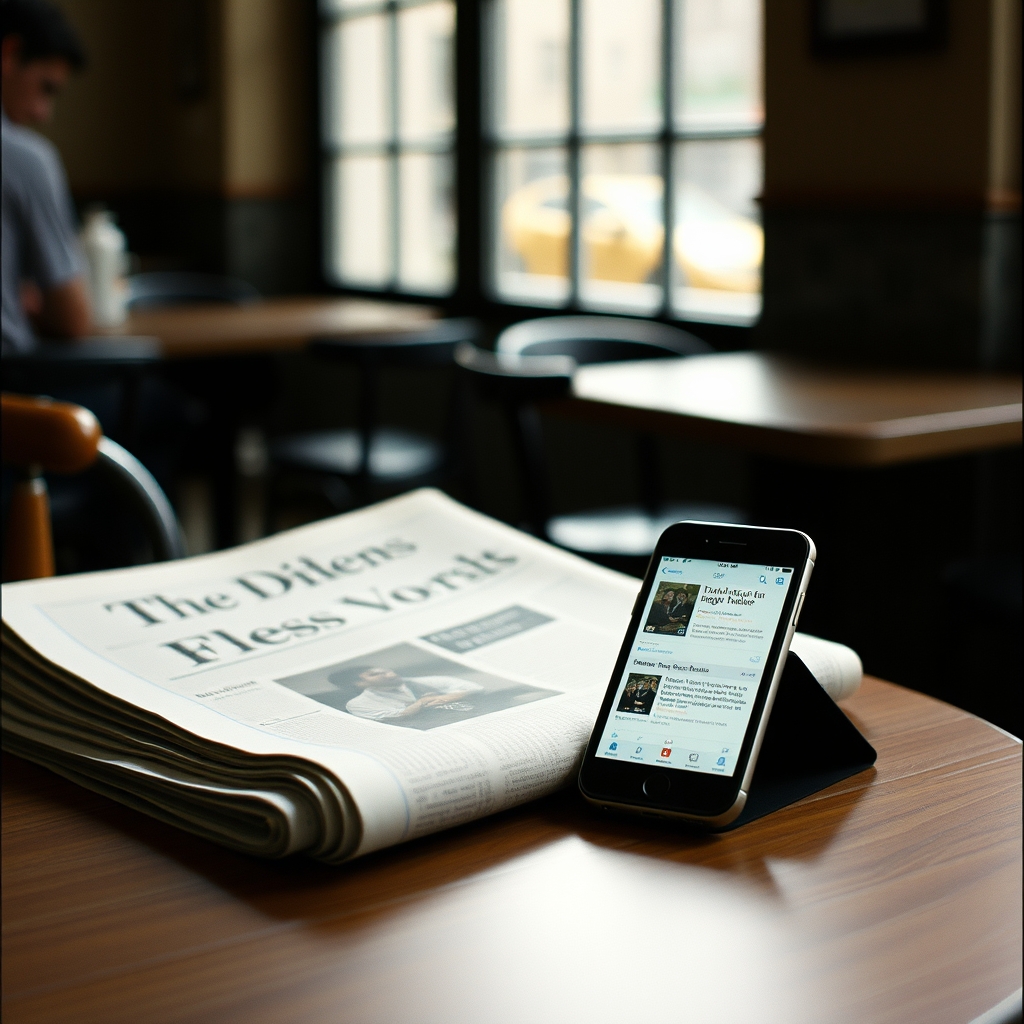
For most of history, news arrived in discrete servings — a morning paper, an evening broadcast — and then it stopped, and you got on with your day. Now it never stops. The feed refreshes forever, each update more urgent than the last, and we carry the entire churning world in a pocket. We were not built to hold all of it, all the time.
A constant stream keeps the alarm bell ringing
News is built to capture attention, and nothing captures attention like threat. So the endless feed delivers a steady drip of alarm — the latest crisis, the new outrage, the thing to be afraid of — and the body responds to each as if it were local and immediate. We end up living in a low, perpetual state of emergency about events we can do nothing about, our nervous systems braced for dangers that are real but distant.
More information is not more understanding
We tell ourselves that staying constantly informed makes us wiser citizens. Often it does the opposite. The flood of breaking updates, half-confirmed and quickly outdated, leaves us agitated and no better informed than someone who read a careful summary once a day. Past a point, more news produces more anxiety and less clarity. The firehose does not make you understand the world; it just makes you feel its chaos more often.
Consuming news on purpose beats consuming it constantly
The answer is not ignorance but rhythm. Choosing when to engage with the news — a set time, a trusted source, a deliberate stop — restores the old structure the feed dissolved. You can be well informed without being permanently agitated. The events will still be there when you check; what changes is that you are no longer carrying all of them, all day.
Put the feed on a schedule. Read deliberately, then close it and return to the life in front of you. Caring about the world does not require marinating in its every alarming update. A mind that gets to rest from the news is better, not worse, at facing what the news contains.