On Spending to Feel Better
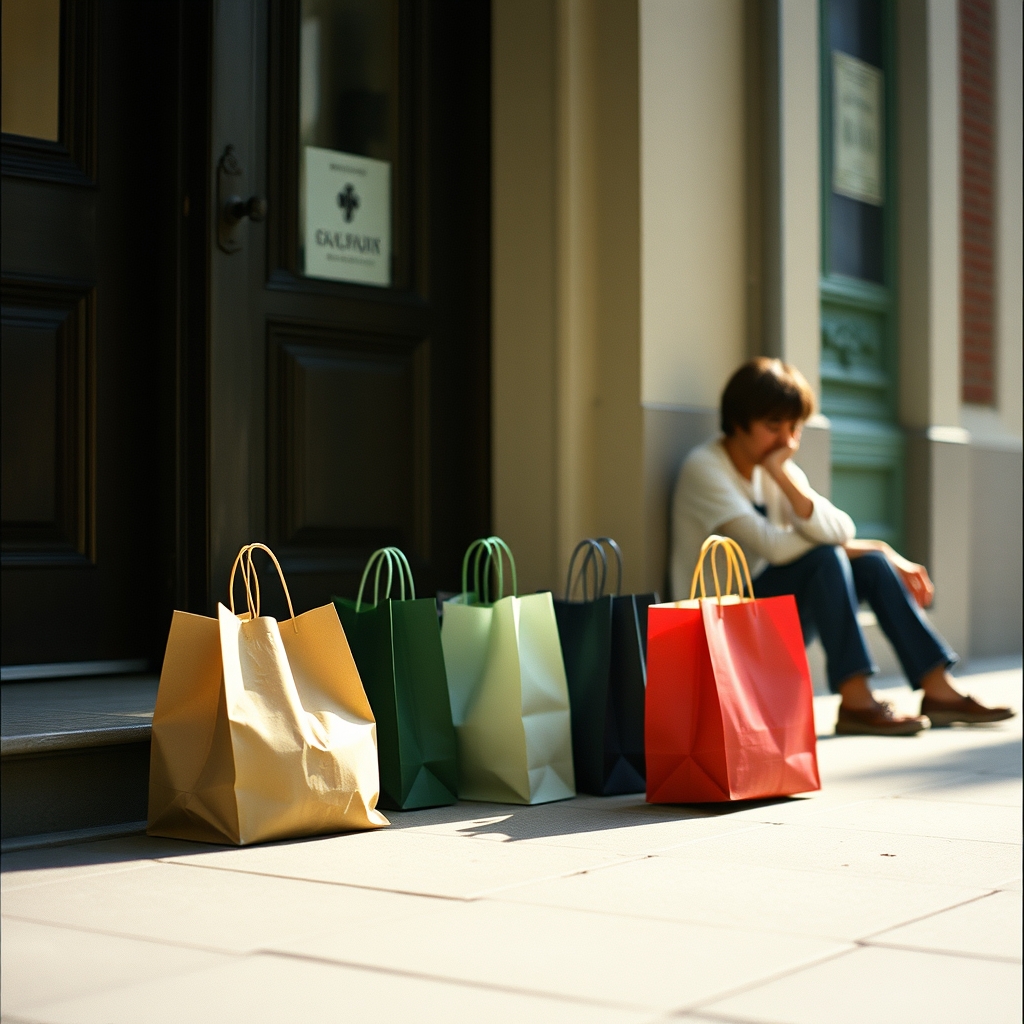
It is a familiar small ritual: a hard day, and then the cart fills almost on its own — something ordered, something bought, a little hit of relief on the way. We rarely call it what it is. A great deal of spending is not about the thing at all. It is an attempt to fix a feeling.
The purchase treats the symptom, not the cause
Buying something does lift the mood, briefly. The anticipation, the click, the package at the door — these deliver a real if short jolt of pleasure. But the feeling that sent us shopping is usually still there when the novelty fades, so we shop again. The spending becomes a way of managing emotions it can't actually resolve, an expensive loop that quiets the discomfort without ever addressing it.
What we're buying is rarely the object
Notice what you reach for and you start to see the pattern. The stressful week brings the comfort purchase; the lonely evening brings the impulse buy; the sense of being stuck brings the splurge that promises a fresh start. The object is a stand-in for something harder to name — rest, connection, control. We buy the symbol because the real thing is harder to get.
Naming the feeling weakens the urge
The most useful thing is simply to catch it in the act. Before the next "I deserve this," pause long enough to ask what you're actually feeling, and whether a thing will truly fix it. Often just naming the emotion — tired, anxious, low — drains some of its power and the urge to spend along with it. The pause is not about denying yourself. It's about not paying money to avoid a feeling you could meet more directly.
Buy things, enjoy them, treat yourself when you like. But when the urge feels less like wanting and more like medicating, stop and look at what's underneath. The discomfort you're trying to spend away usually needs something money was never going to provide.