The Quiet Strength of Repeatable Acts
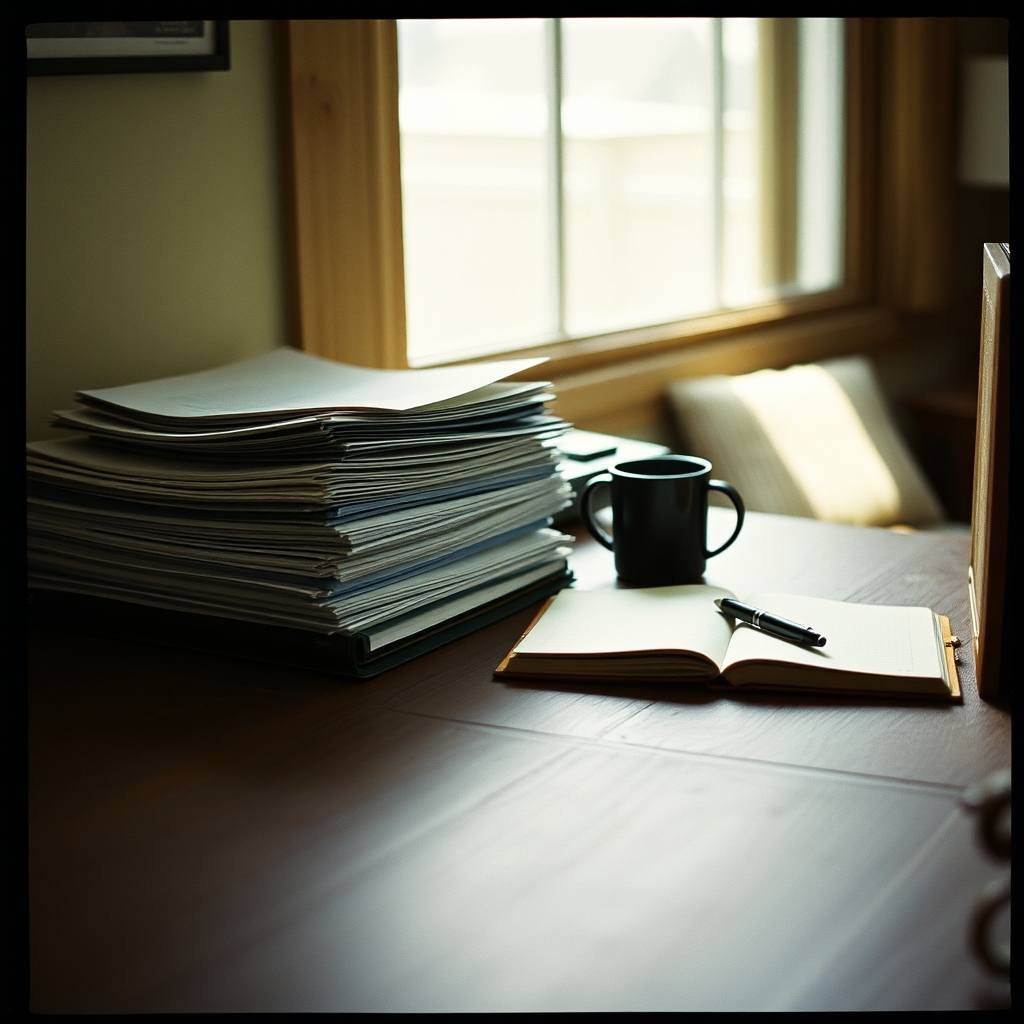
There’s a subtle exhaustion that creeps in, not from the monumental tasks, but from the cumulative weight of a thousand tiny choices. It’s the constant low hum of "Where did I put my keys?" or "What should I make for dinner tonight?" or "How do I deal with this tiny, nagging piece of administrative paper?" These aren't big, dramatic problems. They are merely friction, a series of small pebbles in the shoe of daily life. And like small pebbles, if left unattended, they can chafe and slow you down, quietly draining mental energy that could be better spent elsewhere.
The Hidden Tax of Daily Decisions
Our brains, magnificent organs capable of composing symphonies and launching rockets, are remarkably bad at endlessly re-evaluating the simple. Every time we encounter a recurring, low-stakes situation and treat it as a fresh problem requiring novel thought, we pay a hidden tax. Psychologists have a term for it: decision fatigue. It’s not just for judges or CEOs making high-pressure calls; it’s for anyone navigating the relentless stream of micro-decisions that define a modern day.
The default impulse is often to just ‘get through’ these trivialities, to react in the moment, to find the keys wherever they happen to be today. But this reactive stance is precisely what perpetuates the drain. Each minor moment of scramble, each mini-frustration, pulls a sliver of focus. It accumulates, an insidious background process running silently, siphoning off the very attention and willpower needed for the meaningful work, creative pursuits, or genuine rest that truly nourishes us.
Building a Gentle Rut
The antidote isn’t rigid optimization in the Silicon Valley sense, nor is it a wholesale abdication of responsibility. It’s a more thoughtful, gentle approach: the deliberate creation of micro-systems for recurring, low-stakes actions. This isn’t about speed or maximizing every minute. It’s about building a predictable groove, a gentle rut, that allows these small necessities to flow without conscious effort.
Consider the 'landing strip' by your door: a specific, designated spot for keys, wallet, and phone the moment you walk in. It’s not revolutionary, but it eliminates the morning scramble. Or the default lunch plan, a handful of go-to meals that require no fresh decision-making during a busy workday. Think about the singular folder for all incoming household receipts, designated for a once-a-week processing session, rather than scattered across countertops. Perhaps it’s a specific time each day for checking email, preventing the constant pull of the inbox throughout your most focused hours.
These aren't grand systems; they are small, almost imperceptible design choices. Their power lies not in their complexity, but in their unwavering simplicity and consistency. Each small system is an act of kindness to your future self, an upfront investment of a few minutes of thought that saves hours of cumulative mental friction.
Beyond Efficiency: Cultivating Calm
In a world obsessed with ‘productivity hacks’ that often demand more, faster, and harder, the strength of repeatable acts offers a different path. It's not about the "tyranny of the optimized life," which frequently translates to forcing peak performance into every waking moment. This is about reducing the need for conscious thought in areas that simply don’t warrant it.
By building these small, predictable grooves into the daily landscape, we free the mind. We create mental whitespace. That freed bandwidth can then be directed toward truly complex problems, deep creative work, genuine connection, or simply allowing the mind to wander and rest. The quiet competence that emerges isn't about being a machine; it's about cultivating a subtle mastery over your own days. You know where things are, what's next for the small stuff, and crucially, you know where your precious mental energy isn't being wasted. This fosters an underlying sense of calm, a bedrock of order that supports deeper engagement with life.
The true takeaway isn't about doing more, but about expending less energy on the things that don't genuinely demand it. The real productivity hack isn't a complex algorithm; it's the simple, conscious decision to choose where your mental effort goes. And often, for the mundane, it goes to setting up a system once, and then stepping back to let it quietly, reliably run, allowing you to turn your attention to what truly matters.