Why a Cliffhanger Works on Us
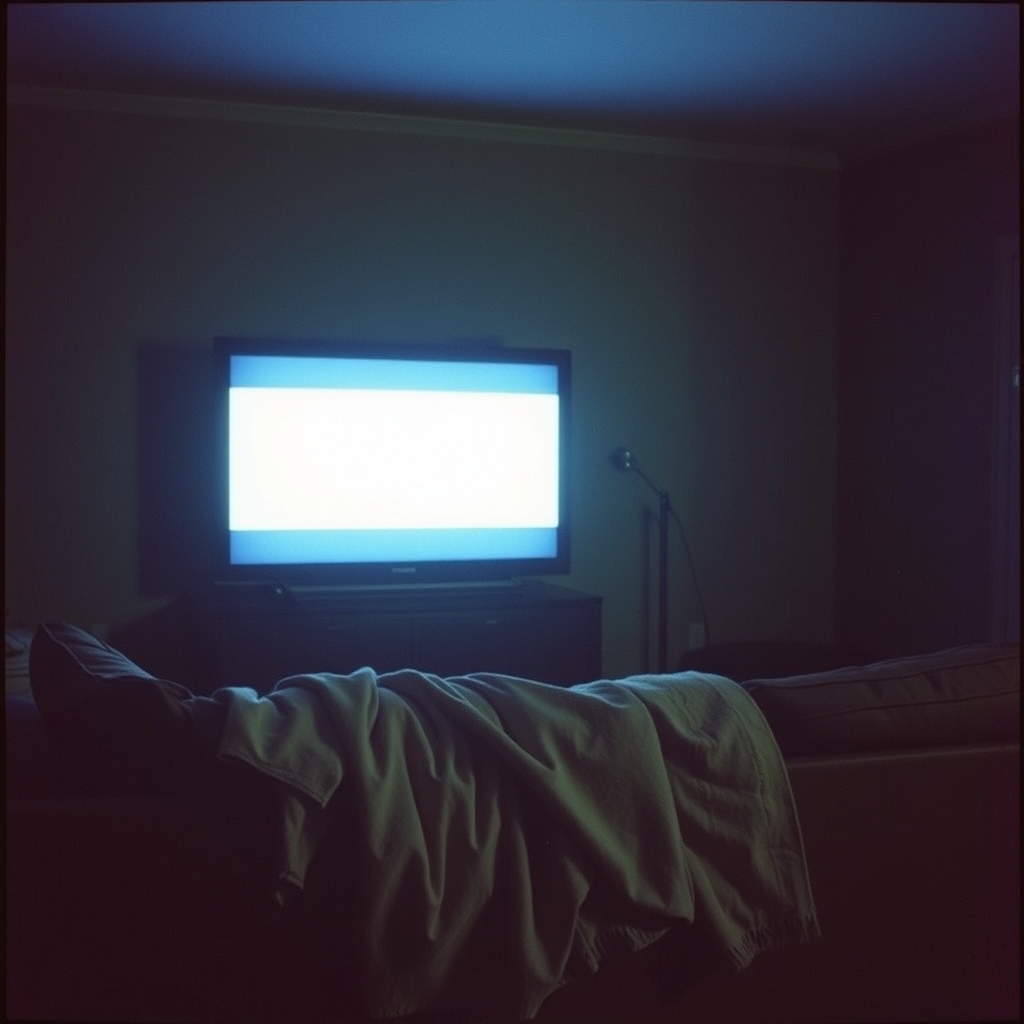
"Just one more episode," I said, at midnight, for the third time. The screen had ended on a question — someone in danger, a secret half-revealed — and I was helpless against it. The cliffhanger is one of the oldest tricks in storytelling, and it works on us with almost mechanical reliability. Understanding why doesn't make us immune, but it's worth knowing what's got hold of us.
An open loop demands to be closed
The mind hates an unfinished story. A question raised and left hanging creates a kind of tension that nags at us until it's resolved — psychologists have long noted how unfinished tasks linger in the memory far more insistently than completed ones. A cliffhanger weaponizes exactly that. It deliberately leaves the loop open, and the discomfort of the gap is what pulls us back for more. We don't keep watching because we're enjoying it, necessarily; we keep watching because the open question won't let us rest.
Uncertainty is its own compulsion
There's something almost itchy about not knowing. The brain treats an unresolved outcome as a problem to be solved, and the not-knowing generates a restless craving for the answer. A good cliffhanger maximizes that uncertainty — will they survive, what's the truth, what happens next — and the only relief on offer is the next episode. We are, in a small way, being made uncomfortable on purpose, then sold the cure.
Knowing the trick is a small defense
None of this means cliffhangers are bad; suspense is a genuine pleasure and the engine of great storytelling. But it helps to recognize when the pull to continue is real engagement versus a manufactured itch. That midnight "one more episode" is often not desire but discomfort — the open loop, not genuine enjoyment, doing the pulling. Naming it can be enough to let you turn the screen off and sleep.
So the next time a story leaves you dangling and you reach for the next one almost against your will, you'll know what's happening. The cliffhanger is an open loop, and your mind is wired to close it. Enjoy the suspense — it's one of fiction's great gifts — but remember you're allowed to leave the loop open and go to bed. The answer will still be there tomorrow.