The Things We Buy and Never Use
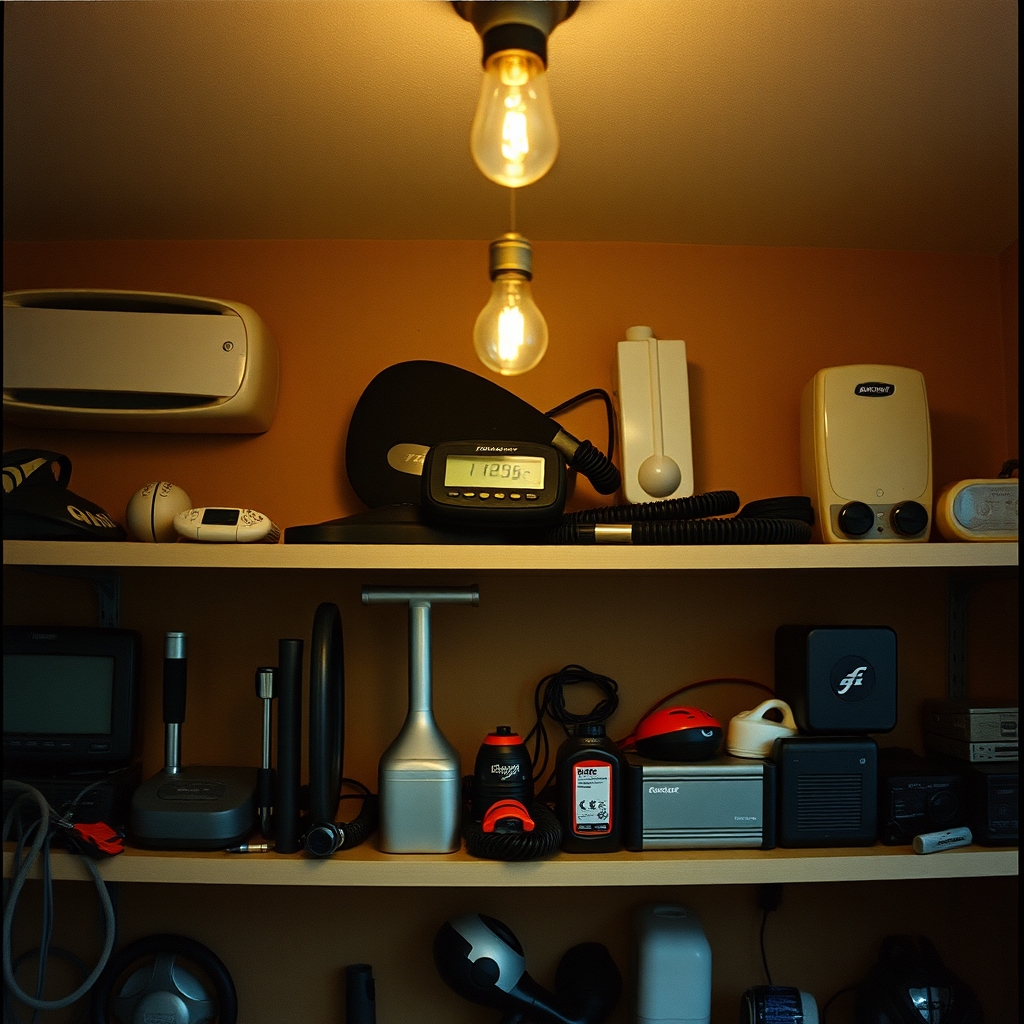
Open any garage, closet, or kitchen cupboard and you'll find them: the things bought with real enthusiasm and used twice. The bread maker, the exercise machine, the hobby kit, the gadget that was going to change everything. We don't just waste money on these — we waste it in a very particular, very repeatable way, and the pattern is worth understanding before the next one arrives.
We buy the fantasy, not the object
When we purchase the unused thing, we are rarely buying the object. We are buying a version of ourselves — the person who bakes their own bread, who works out at home, who takes up the hobby. The money goes toward an aspiration, and the aspiration feels wonderful at the register. But the object can't supply the discipline the fantasy requires, and so it sits, a monument to a self that never quite materialized.
The cost is bigger than the price
The waste is not only the money, though that adds up. It's the space these things occupy, the guilt they generate every time you see them, the quiet erosion of trust in your own judgment. Each unused purchase is a small reminder of a plan abandoned, and a house full of them is a house full of low-grade reproach. The price tag was the cheapest part.
A simple test prevents most of it
The pattern is easy to interrupt once you see it. Before buying the thing meant to transform a habit, ask whether you're already doing the habit, in any small way, without it. The person who will use the bread maker is usually already baking; the home gym gets used by someone who already exercises. The tool supports an existing practice — it does not create one. Buy for the self you already are, not the one you hope the purchase will summon.
Look around at what you bought and never used, not with shame but with curiosity. Each one was a fantasy you paid for. The next time the feeling strikes, enjoy the daydream — and then keep your money until the self you're imagining has actually shown up.