The Case for a Walk After Dinner
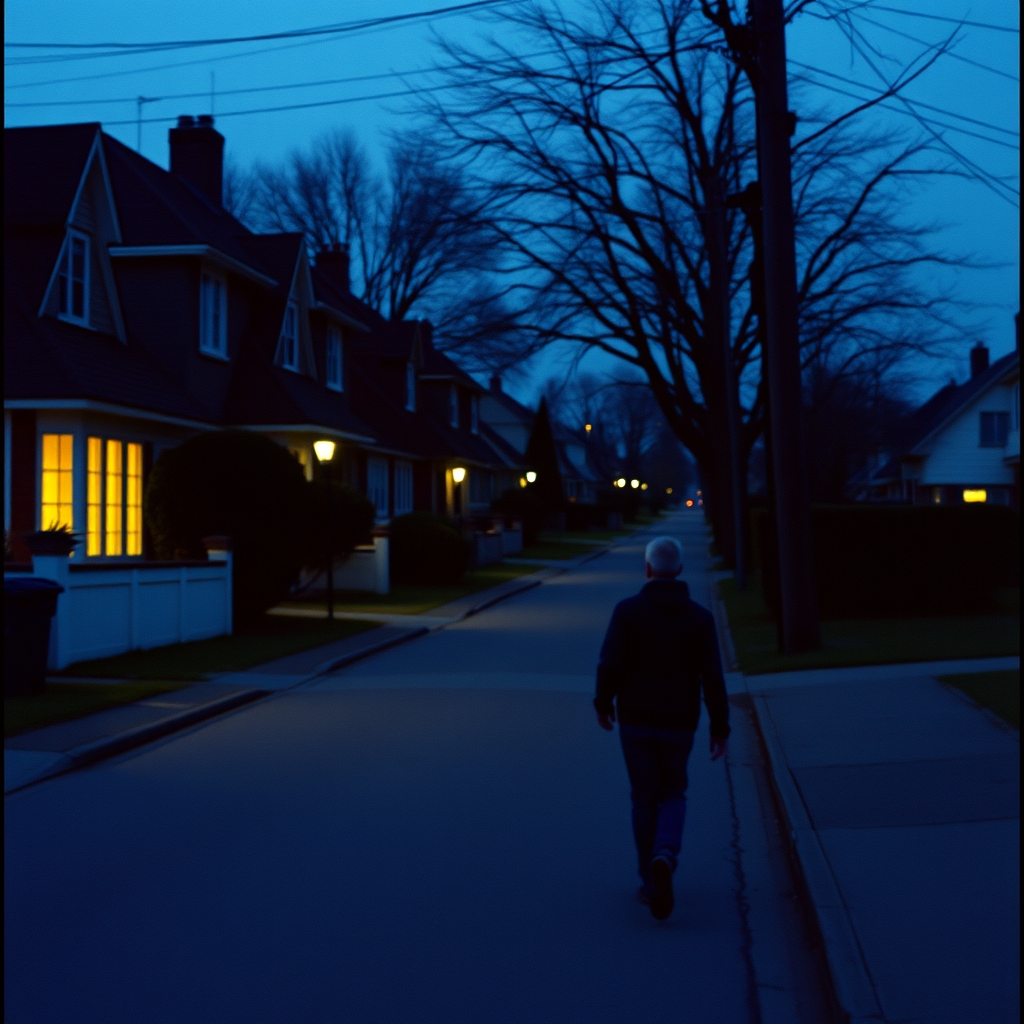
My grandparents took a walk after dinner every evening, the same loop around the block, and I used to find it quaint. I understand it better now. That short, unhurried stroll after the evening meal may be one of the simplest good habits a person can keep, and we have mostly traded it for the couch.
Movement after eating does quiet good
A gentle walk in the half hour after a meal helps the body handle what it just took in — steadying the rise in blood sugar, easing digestion, doing in a small way what a much harder workout does. You don't need to push. The benefit is in the timing more than the effort: a slow walk after dinner outperforms a brisk one at a less useful hour. The body simply works better when we move a little after we eat.
It marks the end of the day
There is more to it than the physical. The after-dinner walk is a punctuation mark, a way of closing the day's business and shifting into evening. It gets you off the screen, out under the sky, into a different pace. For something that takes fifteen minutes, it does a surprising amount to clear the head and settle the mood before the night.
Small and daily beats hard and rare
As with most real health habits, the power is in the modesty. A short walk you'll actually take every evening will do more over the years than an ambitious routine you abandon. It asks almost nothing — shoes, a door, a few minutes — which is exactly why it lasts where grander plans don't.
Try it tonight, after you eat. One slow loop, no destination, no phone if you can manage it. It is the kind of small, old habit that asks little and quietly gives back — the sort of thing our grandparents seemed to understand without needing it explained.