The Slow Unlearning of the Gut Feeling
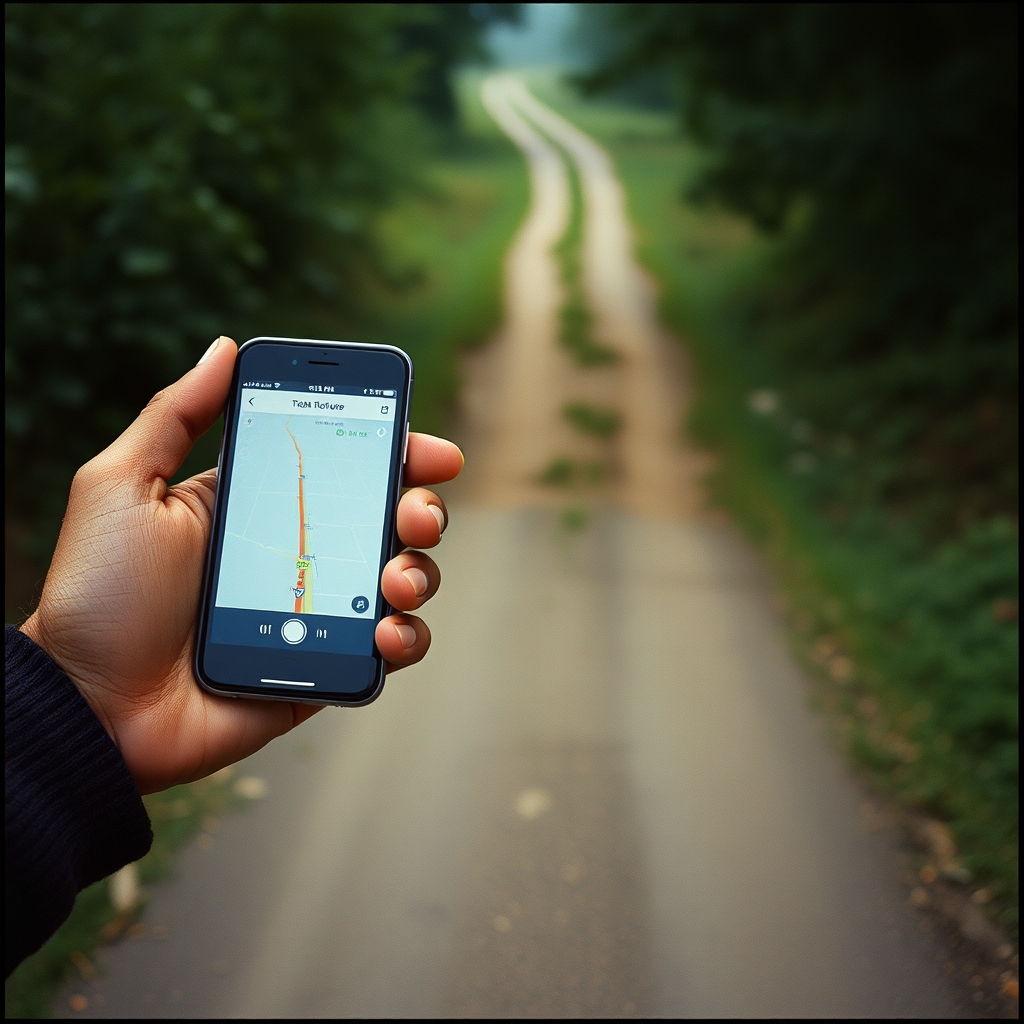
We’ve all been there, standing at a crossroads, literal or metaphorical. A new city street, a puzzling recipe, a tricky email draft. For generations, the internal compass, the soft murmur of intuition, often helped chart the course. Maybe it was a vague sense of a street feeling "right," a memory of a flavor pairing, or simply a hunch about a phrase that would land better. This was the quiet authority of the gut feeling, a cumulative wisdom distilled from countless past experiences, often too subtle to articulate.
Now, however, the landscape of decision-making has transformed. Our phones whisper optimal routes. Our smart home devices anticipate our needs. Our digital assistants can draft emails, plan meals, and offer instant, data-backed answers to queries that once required a moment of internal deliberation. There’s a new authority in the room, and it speaks with the confident, often infallible, voice of computation. And it’s making us subtly, perhaps irrevocably, different.
The Allure of the Optimized Path
It’s easy to understand why we defer. The algorithms are, by design, good at what they do. They crunch numbers we can’t even conceive, synthesize data points from global networks, and present solutions that are, by most objective measures, more efficient, more accurate, or simply better than what our singular, limited brains could conjure. Why choose the long, scenic route when the GPS offers a faster one through gridlocked traffic? Why experiment with a new ingredient when a recipe app guarantees a five-star dish? Why risk an awkward phrasing when AI can generate a polite, professional email in seconds?
This isn’t just about convenience; it’s about a profound reduction in cognitive load. Every small decision requires energy. When technology seamlessly handles hundreds of these daily choices, from what to watch next to how to get to the grocery store, it frees up mental bandwidth. The world feels smoother, more predictable, less fraught with minor missteps. The promise is a frictionless existence, where ambiguity is replaced by certainty, and doubt by data.
The Quiet Erosion of the Inner Oracle
But what happens when the muscle we once used for intuition is consistently bypassed? What happens when we rarely have to weigh an ambiguous choice, or navigate a moment of genuine uncertainty without external guidance? It’s not an overnight disappearance, but a slow, insidious unlearning.
Our gut feelings aren't magic; they are pattern recognition systems honed over a lifetime. They register micro-expressions, subtle shifts in tone, faint environmental cues, and internal somatic responses that combine into a "feeling." When we consistently rely on external, data-driven sources, we stop practicing the art of internal synthesis. We stop paying attention to those faint signals, because why bother when the definitive answer is a tap away?
This erosion isn't just about practical decisions; it touches deeper facets of self-trust. When an algorithm consistently "knows better," we begin to question our own judgment, our own sensory input. The subtle flicker of doubt that might once have pushed us to explore an alternative, or to question a presented truth, becomes muted. We become excellent at following directions, but perhaps less skilled at discerning which directions are truly our own.
Reclaiming the Frayed Thread
This is not a call to abandon technology, which, in its best forms, offers genuine liberation and incredible tools. Rather, it’s an invitation to a conscious re-engagement with our own internal landscape. It’s about remembering that not every decision benefits from ruthless optimization. Sometimes, the "wrong" turn leads to a serendipitous discovery, a moment of unscripted beauty. Sometimes, an imperfect meal cooked with personal flair tastes better than a flawless, algorithmically generated one.
It means deliberately choosing to walk a different route home, even if the map app insists on another. It means occasionally trusting a book’s cover or an intriguing blurb over a meticulously curated recommendation engine. It means allowing ourselves to sit with a problem for a moment, to feel its contours, before rushing to an AI for a solution. It’s about creating space for the inefficient, the subjective, the personally meaningful choice.
Our intuition, that quiet oracle within, is not an immutable, automatic function. It’s a skill, honed by practice, by observation, by the messy, unpredictable experience of living. In an age where external intelligence is increasingly pervasive and persuasive, the act of intentionally listening to our own gut becomes not just an exercise in self-reliance, but a quiet, powerful act of self-preservation. It reminds us that there are still parts of our knowing that remain uniquely, stubbornly, wonderfully human.