The Undervalued Discipline of Seeing the Light
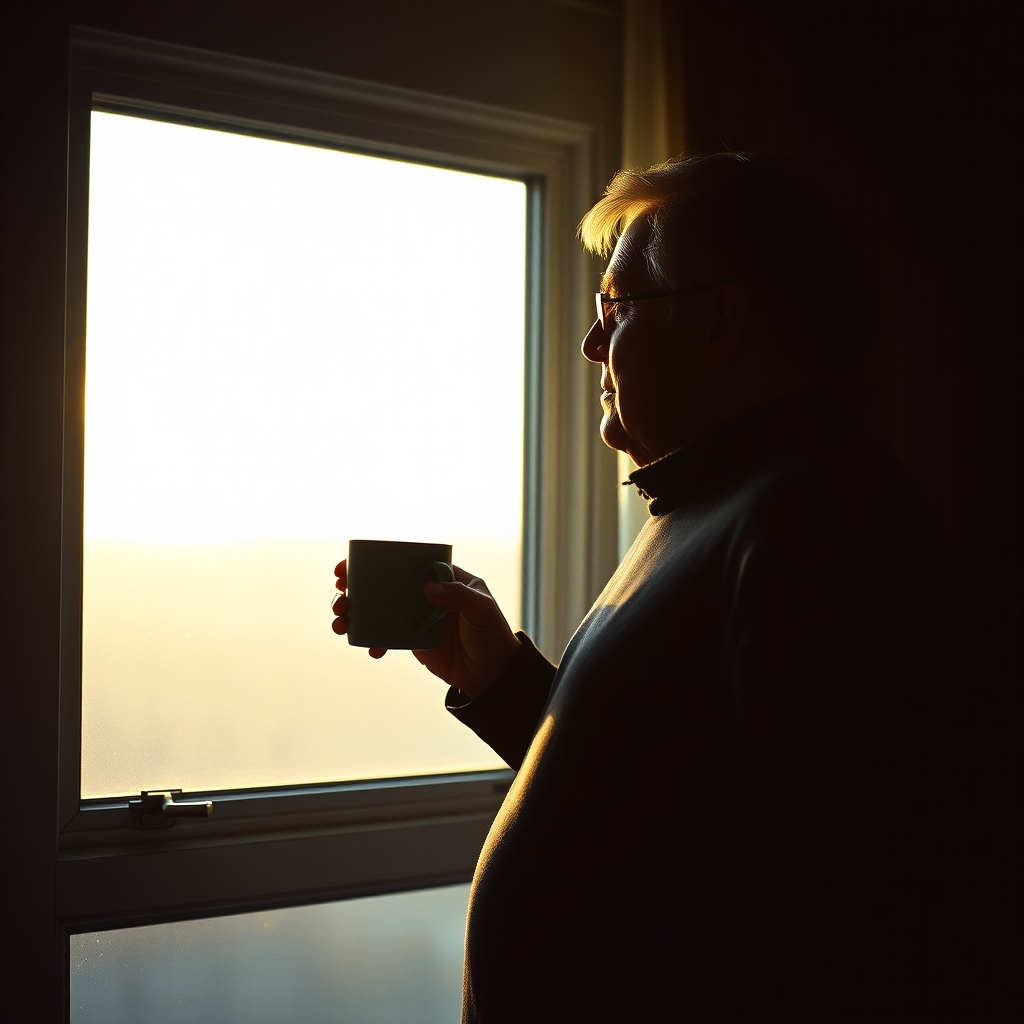
It’s an odd thing, isn’t it, how we’ve managed to insulate ourselves so thoroughly from one of life’s most fundamental orchestrators: light. We spend our days under the fluorescent hum of office ceilings, the blue glow of screens, or the muted wash of indoor LEDs. We rise before the sun, commute in predawn twilight, and return home under streetlights, only to settle into rooms lit with a synthetic warmth that mimics — but never quite captures — the real thing. It’s as if we’ve collectively decided that the sun, that ancient, colossal timekeeper, is merely a suggestion, easily overridden by a dimmer switch and a Wi-Fi signal.
This detachment isn't accidental; it’s the quiet consequence of progress, convenience, and our species’ remarkable ability to engineer its own environment. But in bypassing nature’s most elemental signal, we’ve introduced a subtle, pervasive discord into our very biology. We chase exotic supplements and complex routines, eager to "biohack" our way to better health, often overlooking the oldest, cheapest, and most elegant solution hanging right outside our window.
The Body's Ancient Almanac
Consider, for a moment, the human body not as a machine to be optimized, but as an incredibly sophisticated, self-regulating organism, finely tuned over millennia to the rhythmic pulse of its environment. At the heart of this tuning is the circadian rhythm, our internal 24-hour clock. This isn't just about when you feel sleepy; it dictates a symphony of biological processes: hormone release, metabolism, body temperature, even gene expression. And the conductor of this intricate orchestra? Light, primarily.
Specifically, the retina in your eyes contains specialized cells that detect light and relay that information directly to your brain's suprachiasmatic nucleus (SCN), the master clock. Bright, blue-rich light in the morning tells your body, "Wake up! Produce cortisol! Get ready for the day!" As evening approaches, the diminishing light signals, "Wind down. Prepare melatonin. Rest is coming." It’s a beautifully simple, non-negotiable directive that shaped our ancestors for millions of years. For them, there was no dimmer switch, no late-night scroll through a glowing feed. There was only the sun’s rise and fall, a stark and undeniable truth.
The Subtle Tyranny of the Indoor Gloom
Our modern lives, however, have introduced a profound misalignment. We often get too little bright, natural light during the day and too much artificial, blue-spectrum light at night. Picture the average office worker: they wake in the dark, drive to a cubicle under consistent, moderate artificial light for eight hours, then drive home as the natural light fades, only to spend their evening under the glow of overhead lights and screens.
This constant, muted illumination during the day fails to give the SCN the robust "wake up" signal it needs. The result can be a subtle but persistent dullness, a feeling of being perpetually "on," but never truly alert. Then, when night falls, our screens and energy-efficient bulbs emit a significant amount of blue light, which is particularly effective at suppressing melatonin production. Your body, confused by this late-night mimicry of midday, delays its preparation for sleep. This isn't just about being a little tired; it's about disrupting the very bedrock of your metabolic, endocrine, and immune systems. Over years, this chronic disruption contributes to a host of less-than-ideal outcomes, from metabolic imbalances to mood disorders. It’s not a sudden cliff, but a slow, imperceptible erosion of our innate resilience.
A Modest Return to the Obvious
The antidote, thankfully, doesn't require a new wearable or an expensive subscription. It’s about a mindful re-engagement with something freely available: the sun. This isn’t to say we should all abandon our jobs and become agrarian farmers. It’s about a conscious, consistent discipline.
Start with the morning. Within an hour of waking, step outside for ten to fifteen minutes. No sunglasses. Just let the natural light hit your eyes. Even on a cloudy day, outdoor light is significantly brighter than anything indoors, delivering that crucial "wake up" signal. This simple act helps anchor your circadian rhythm, setting the tone for better alertness during the day and more restorative sleep at night.
As evening approaches, begin to dim your indoor lights. Opt for warmer, lower-intensity bulbs in the hours before bed. If you must use screens, consider blue-light filters or, better yet, put the devices away an hour or two before turning in. Cultivate a gentle transition from the day's activity to the night's repose, mirroring the world outside your window.
This isn’t about striving for perfection, but for consistency. It’s not a dramatic "biohack" in the sense of optimizing for peak performance at all costs. Instead, it’s a quiet act of respect for your own intricate biology, a re-establishment of a timeless dialogue between your body and the world. By paying attention to the simple, profound signals of light, we can re-anchor ourselves, finding a rhythm that feels less forced and more inherently, naturally human. It’s a modest discipline, yes, but one that promises an outsized return on our investment of mindful attention. And perhaps, a clearer view of everything else.